Operation Wallacea in Madagascar: Day 13
Day 13 – Nosy Be 25/06/2024 – Tuesday
Tuesday was our second day diving in Nosy Be. The qualified divers spent the morning identifying corals using the information from Monday’s lecture. The OpWall staff on the dives with us quizzed us by pointing out differently shaped and coloured corals for us to try to identify, and we all found it so much more fun underwater after learning what everything we were observing really was. In the meantime, the learners finished their confined water sessions. During which they did different certification exams, including an emergency ascent, scuba kit assembly and disassembly, and aiding another dive member in an emergency.
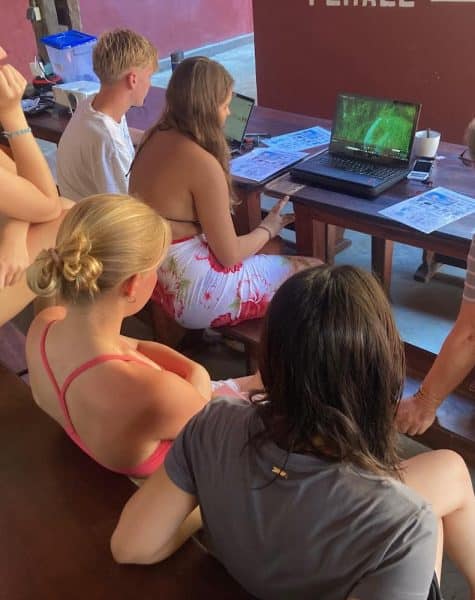
After the initial dives, the divers had a lecture on different underwater sampling methods, their uses, and their pros and cons. For example, the chain and tape method, which involves draping a chain over coral to measure the complexity of reef structures, was popular in the 70s, but is super damaging to the reef. We also were briefed on the quadrant method that we used in the next dive!
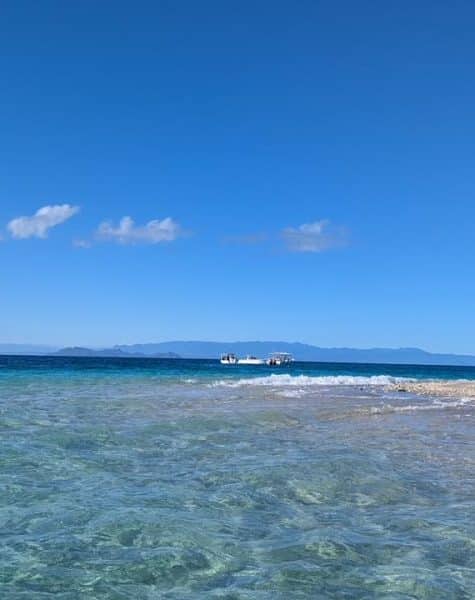
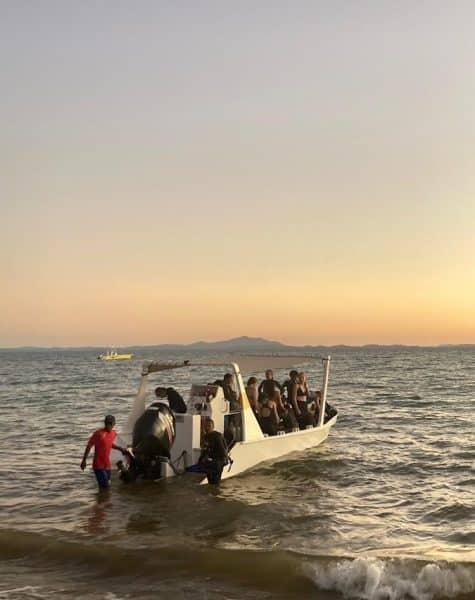
In the afternoon, both groups dove out in the reef. The qualified divers went to a site called Nosy Tanga, and used PVC quadrats to sample the reef biodiversity! Quadrats were placed (VERY gently) over the coral, and we estimated the percentage cover of different types of coral. Right after, we had a debrief, compared results, and had a lecture on fish identification, which we will be using tomorrow! At the same time, the new divers went on their very first open water dive. Everyone was very excited and nervous, as the boat carried us deeper into the bay. We had a small briefing before entering the water where we were told crucial information on the dive, such as duration (at least 15 minutes), and a recap on the hand signals. We were also taught how to enter the water using the giant stride technique which consisted of stepping out of the boat and into the ocean with the BCD (Buoyancy Compartment Device) fully inflated. After making sure everyone was okay, we started our slow descent downwards onto the sandy banks of the ocean bed. We all immediately felt the pressure changes in our eardrums and had to perform the equalisation technique to avoid pain and possible injury. Once that threat was surpassed and we were down by the corals, we were amazed by its beauty. It was hard to divert our gazes from the vast sea of fish and breathing corals as the instructor assigned us buddies and instructed us to repeat the practice exercises we had done in the pool: Removing the regulator, full flooding the mask and practicing neutral buoyancy. When we eventually resurfaced we were all astonished that we had spent over 30 minutes underwater! It certainly wasn’t long enough for us.
Overall both groups had a great time diving today, and we’re so excited to continue learning and doing surveys for the rest of the week.
Aviaja & Carolina & Lea-Sophia