Category Archives: Student Stories


Grade 9 student presents research at international astronomy conference
From classroom curiosity to scientific conference, Siddarth Bhat’s passion for astronomy has led to an impressive research achievement.
Grade 9 student Siddarth Bhat has co-authored original astronomy research that was selected for presentation at the Symposium of the Society for Astronomical Sciences, one of the leading conferences for amateur astronomers worldwide.
Working with fellow students Audrey Tan, Delia Acosta, William O’Donnell, and Siri Borgerson from Stanford Online High School, along with instructor Kalee Tock, Siddarth helped investigate how starspots can affect observations of exoplanets, planets that orbit stars beyond our solar system.
“The research has been selected to be presented at the Symposium of the Society for Astronomical Sciences, one of the premier events for amateur astronomers,” Siddarth said.


As part of the project, the team analysed 26 exoplanet light curves and explored how stellar activity can influence scientists’ understanding of distant planets. They also examined how these effects could impact future observations from the PANDORA satellite mission.
The experience gave Siddarth the opportunity to participate in authentic scientific research and collaborate with students from around the world.
“Our end goal is for this paper to be published in the Journal of the American Association of Variable Star Observers,” he shared.
At Copenhagen International School, we are proud to see students pursue their passions beyond the classroom and engage with real-world challenges. Siddarth’s achievement reflects the curiosity, dedication and ambition that we encourage in all our learners.
Congratulations, Siddarth, on this outstanding accomplishment. We look forward to seeing where your love of science and discovery takes you next.

My experience with the Talented Women’s Club in Ghana
By Ava Jacobsen, Grade 11
In April, my parents and I had the incredible opportunity to visit the NGO the Talented Women’s Club, a group of ambitious, intelligent, and very kind women from Accra and the surrounding area in Ghana.
For more than 20 years, CIS Charity Club has supported this group of women. The women are dedicated to improving the health and well-being of their communities and have committed to sharing practical nutrition knowledge with families, friends, local health experts, and community leaders, who then bring that information back to people in their own neighborhoods.
During our visit, we were welcomed with genuine warmth and hospitality and had the chance to see the work we had previously just read and heard about at CIS. We toured the local nutrition clinic and learned about the educational manual they had recently completed on healthy foods, healthy habits, and how these choices affect the body. The manual was developed by researchers at University of Ghana and funded by the Charity Club and is a great step forward.


Coordinator Anas and local architect Joe also showed us the site of the club’s future community center on a farm about an hour outside of Accra, where they hope to host events and create a communal place for sharing nutrition education and supporting community development. The land has already been purchased which, alongside other initiatives and projects in the past, has been made possible through fundraising efforts of CIS Charity Club members.
Now they are working to get the funding needed to begin construction. Throughout the trip, we were inspired by the passion, determination, and generosity of everyone we met. Seeing their vision, hard work, and commitment in person made a lasting impression on us, and we hope that our support will help bring them one step closer to achieving their goals.
Why choose the IB Diploma Programme at CIS?
When people think about the IB Diploma Programme, they often think about academic challenges, deadlines, and hard work. While all of those things are certainly part of the experience, recent graduates and alumni from CIS point to something else when reflecting on their time in the programme: the people who helped them through it.
To better understand what makes the Diploma Programme at CIS unique, we spoke with members of the graduating Class of 2026, Marko Montella and Platon Vozniuk.
For Marko Montella, who joined CIS midway through the Diploma Programme, one word comes up repeatedly: welcoming. Despite arriving halfway through his DP journey, he quickly found his place. “The teachers truly care about the students,” he says. “It’s not just academically, it’s about making students feel comfortable and supported.”
For Platon Vozniuk, the experience has been a little different. Having spent all twelve years of his school life at CIS, he describes the school as a second home. Looking back, he remembers the friendships, school trips, and shared experiences that shaped him, as well as the value of integrity that he says will stay with him long after graduation.
The teachers truly care about the students. It’s not just academically, it’s about making students feel comfortable and supported.
Marko Montella
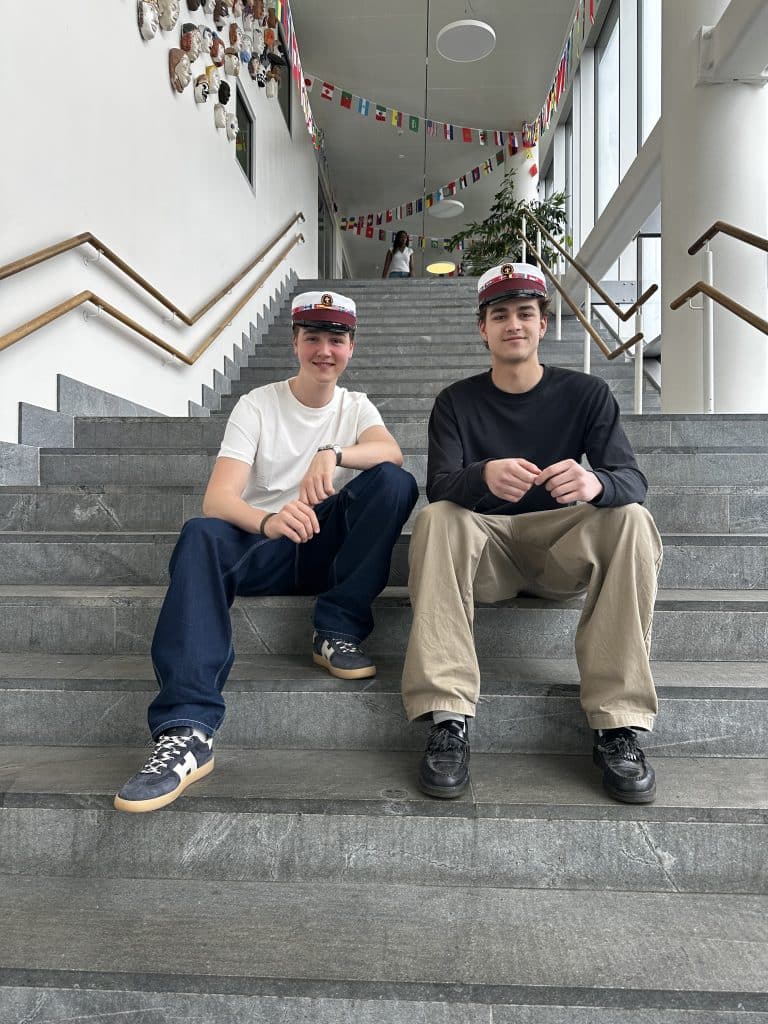
The same themes emerged when speaking with CIS alumni Clara Malling Strømsted and Wilma Modée Arnesson, who graduated in 2019. Looking back with the benefit of hindsight, both still point to the people around them as one of the most valuable parts of their experience. Many of the friendships they built during the Diploma Programme remain some of their closest today.
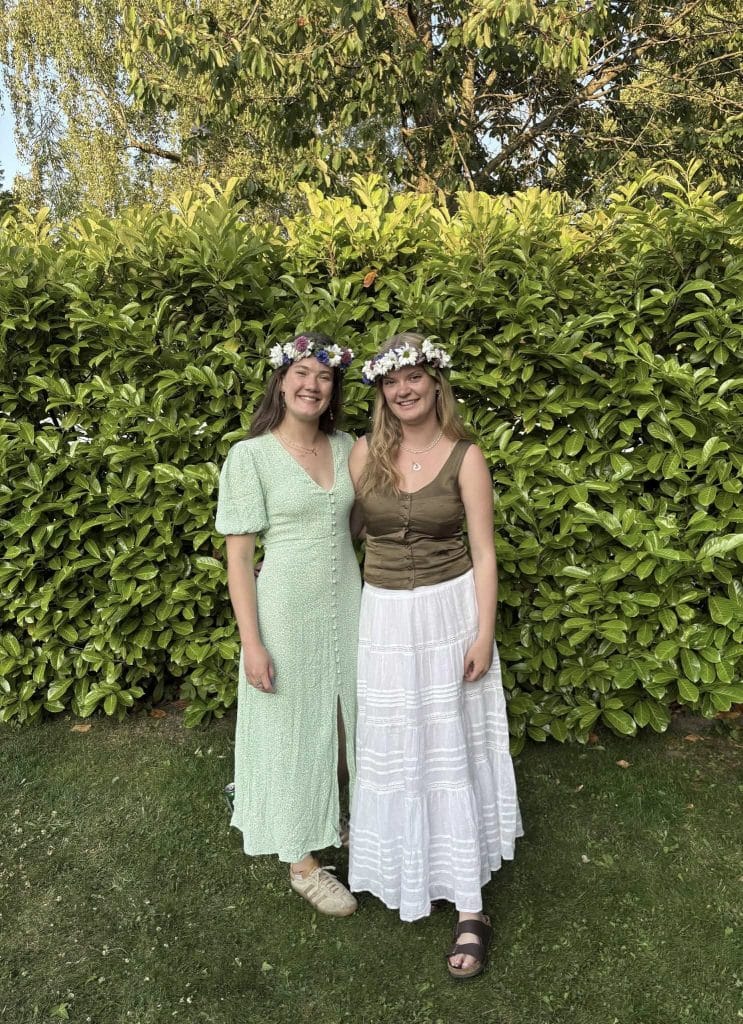
Academically, they also appreciate the balance that the IB offered. Rather than specialising early, the Diploma Programme allowed them to continue studying a broad range of subjects while developing strong academic skills. The ability to manage multiple subjects, deadlines, and responsibilities proved to be excellent preparation for university and beyond.
What stood out most, however, was the quality of teaching. CIS has offered the Diploma Programme since 1969, and that experience shows. The teachers understand the demands of the IB, know how to guide students through its challenges, and genuinely care about their success. As Wilma reflects, “I think what really helped me, and many of us, through the programme were the brilliant teachers who supported us every step of the way, even when times were very stressful.”
What really helped me, and many of us, through the programme were the brilliant teachers who supported us every step of the way, even when times were very stressful.
Wilma Modée Arnesson
The IB Diploma Programme is demanding, but all four graduates agree that at CIS, students are never expected to face those challenges alone. Whether a student joins in Grade 1 like Platon or arrives much later like Marko, they become part of a community that supports them academically, personally, and socially.
Perhaps that is why, despite graduating seven years apart, all four highlighted many of the same experiences and values. When Clara and Wilma were asked what has stayed with them long after graduation, their answers were not only about grades or university preparation. They were about the teachers who believed in them, the friendships they built, and the confidence they gained along the way.
Class of 2022: Two Paths, Many Possibilities
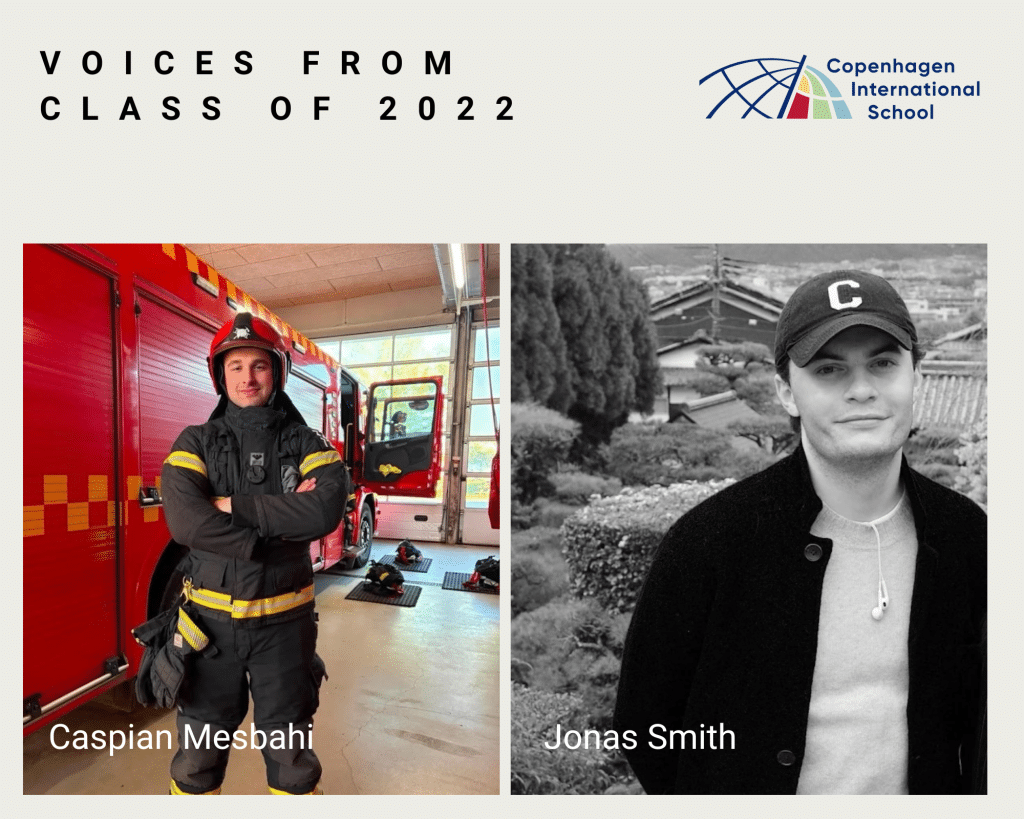
Since graduating from CIS in 2022, former students Jonas Smith and Caspian Mesbahi have taken very different routes, showing just how many directions life after CIS can lead.
Jonas moved to Savannah, Georgia, to study graphic design at the Savannah College of Art and Design. He describes how his passion for the arts was shaped during CIS art classes, where he was challenged to explore new techniques and ways of thinking. What began as a nervous step into university became an exciting journey filled with international internships in Denmark, Switzerland, and London, as well as collaborative projects with companies such as Deloitte, La Mer, and EA. Looking back, he credits the IB programme with building the discipline and work ethic that carried him forward, and encourages current students to slow down and enjoy the moment.
The IB programme, despite its intensity, prepared me exceptionally well. It strengthened my work ethic and instilled habits I still rely on today.
Jonas Smith
FUN FACT:
Caspian and Jonas actually go way back. The two attended preschool together at Sunrise in Hellerup before going their separate ways. Years later, they unexpectedly reunited at CIS, where they eventually graduated together. A small world, and a fun full-circle moment.
At the same time, Caspian’s path took a very different direction. After graduation, he explored several options before joining the Civil Defence and training in firefighting and rescue. Today, he works at Novo Nordisk as a Coordinating Leader for Falck and serves as a Crew Commander at local fire stations. He also founded Valcorv, a software company developing systems for emergency services, built directly from his hands-on experience in the field. Alongside this work, he has studied engineering at DTU. He reflects that leadership, responsibility, and variety have shaped his path, and encourages students to try something challenging to discover what fits.
For those who are unsure about their future after CIS: Pick something new and hard, even if it seems random, like the fire department. Best case, you find something you enjoy, as I did. Alternatively, you find out what you don’t want, which forces you to think about what you would rather do.
Caspian Mesbahi
Together, their stories highlight a shared message: there is no single path after CIS. Whether through creativity, engineering, leadership, or entrepreneurship, graduates go on to shape their own directions in very different ways.

Career advice from a former student
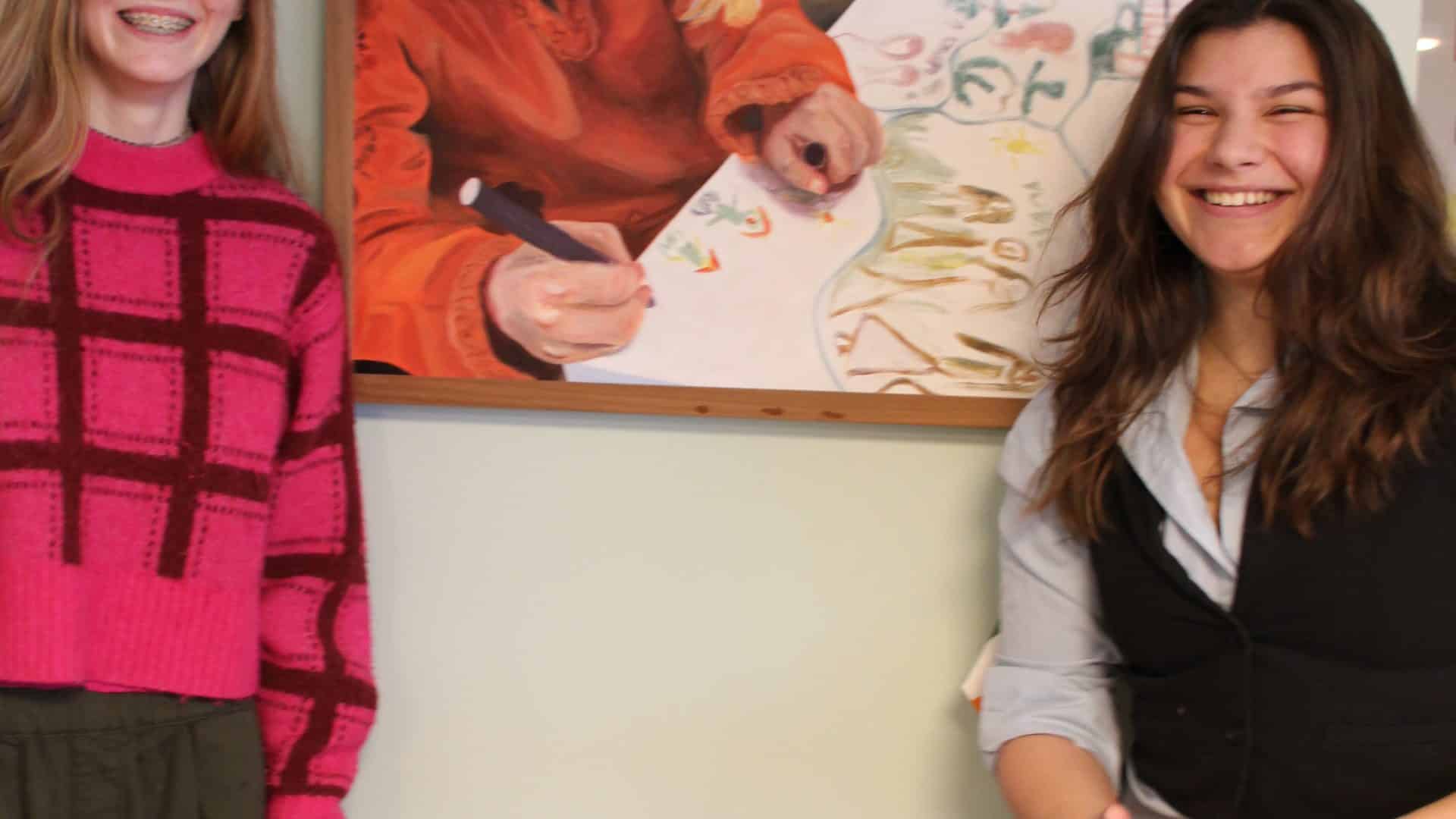
Alexandra Hundal Christiansen (Class of 2020) and Millie McNulty (Class of 2026) come together to discuss their shared passion for architecture and the uncertainty of the world they are living in. Alexandra, currently completing her master’s degree at (IE University (Instituto de Empresa), offers Millie insight into the realities of student life today. She speaks candidly about her hopes for her twenties, which often revolve around simple survival amid rising inflation, increasing rent, and food costs. Alexandra reflects on the ongoing challenge of pursuing her dream of becoming an architect while relying on having a number of part-time positions in the service industry to make ends meet.
Together, they also discuss the importance of building connections within the architectural profession, acknowledging that success in the field still often comes down to “not what you know, but who you know.”
They reflect on how networking, mentorship, and informal relationships can open doors to opportunities that are not always accessible through talent or academic achievement alone. Both recognise that while skill and dedication are essential, navigating the industry often requires guidance, visibility, and the support of established professionals.
BioMex 2025: Biology Conservation Trip to Mexico
Day 1 – Travel Day, Copenhagen > Paris > Cancun
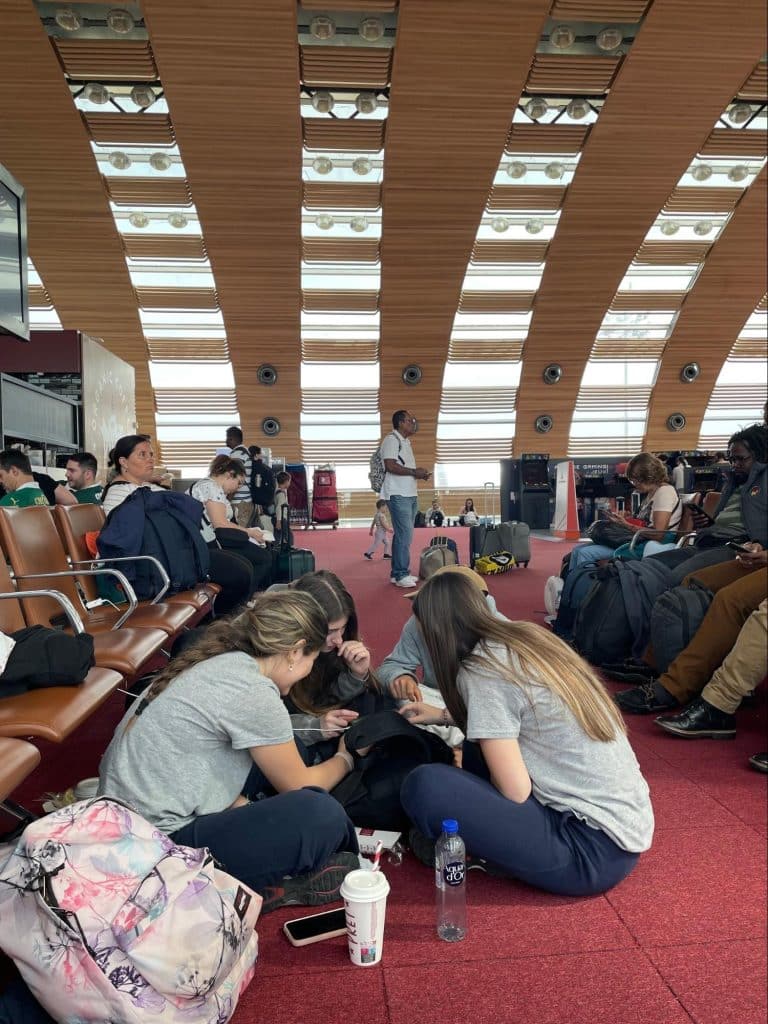
After a long day of travel, we’ve finally arrived in Mexico! Our journey began reluctantly at 4:00 AM, when we met at the airport and flew to Paris. With a six-hour layover ahead of us, we passed the time snacking and playing card games before finally boarding our flight to Cancún. The second leg of the trip felt endless, but a lucky few of us scored some extra seats on the plane and managed to stretch out for some much-needed sleep.
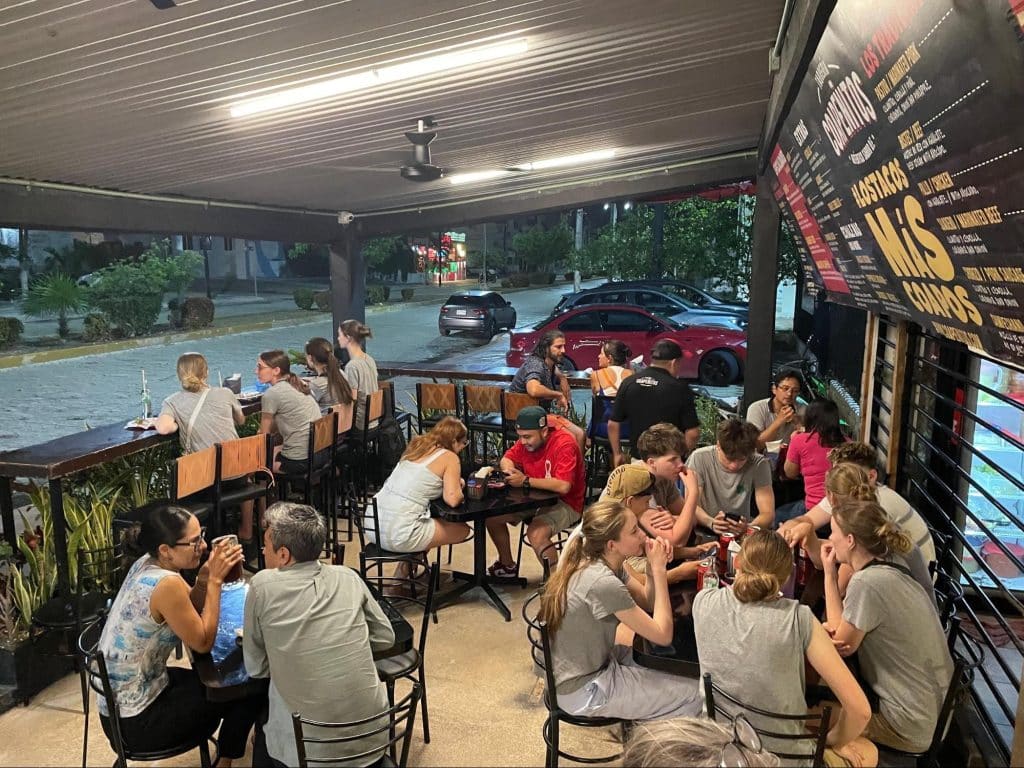
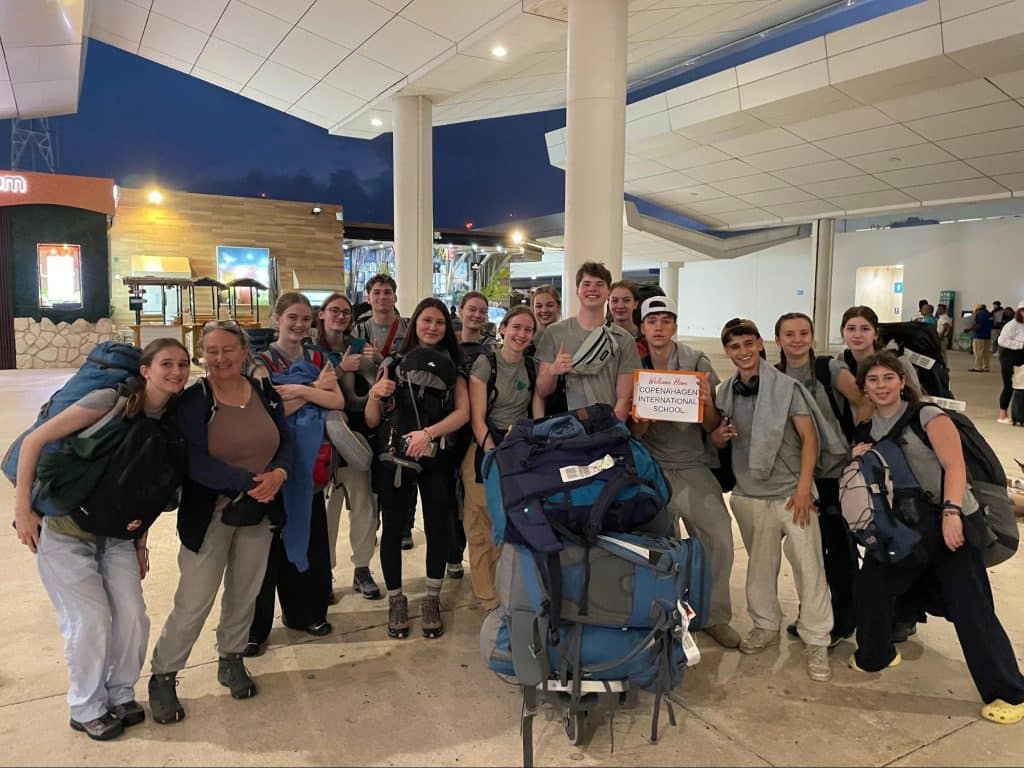
Upon landing in Cancún, we were immediately hit by intense heat and humidity. A few bumps in the road followed – some unexpected visa delays and a missing bag – but we handled it all and kept moving forward. Eventually, we made it to the hotel, checked in, and headed out to a nearby taco spot, where we enjoyed some delicious, authentic Mexican tacos. Back at the hotel, everyone was more than ready for rest. Tomorrow, we’re looking forward to relaxing by the pool, and adjusting to the tropical heat.
Day 2 – Acclimatizing to Cancun
Our first full day in Mexico began with a sunny, but a little cloudy 30°C morning in Cancun. After settling into our hotel the day before, we were ready to start exploring and preparing for the days ahead, especially for our upcoming journey to the terrestrial site. We began the day with a delicious breakfast buffet at the hotel that had a huge variety of foods, from nachos, scrambled eggs and quesadillas, to yoghurts, fruits and pancakes. After breakfast we spent some time by the pool, chilling and enjoying the sun. It was perfect to have these hours of relaxation to restore and recharge from the long travels the day before.
After some time sunbathing, we had lunch by the pool, enjoying some delicious pizzas, nachos and of course, some refreshing drinks. Following lunch, we started the collaborative science project. This project is a core part of the IB curriculum, requiring us to work together in groups to tackle complex topics using creativity, and teamwork. Some of these topics included mesophotic coral ecosystems, marine pollution and mitigation strategies.
We split into smaller groups and immediately got to work brainstorming, organizing our ideas and discussing how to present the data in engaging and informative ways. After several hours of research and discussion, we took a break and walked together to a nearby supermarket. There, we stocked up on snacks and essentials we’ll need for the upcoming days at the forest site. It was fun to explore a local store.
Once back at the hotel, we had a bit of free time to relax, refresh, and get ready for dinner. For tonight’s dinner we went back to a local taco place we’d discovered the day before. After eating a lot, we came back to the hotel and pretty much immediately went to bed as the following day we needed to wake up at 4:30 A.M, bright and early for the drive to the forest site.
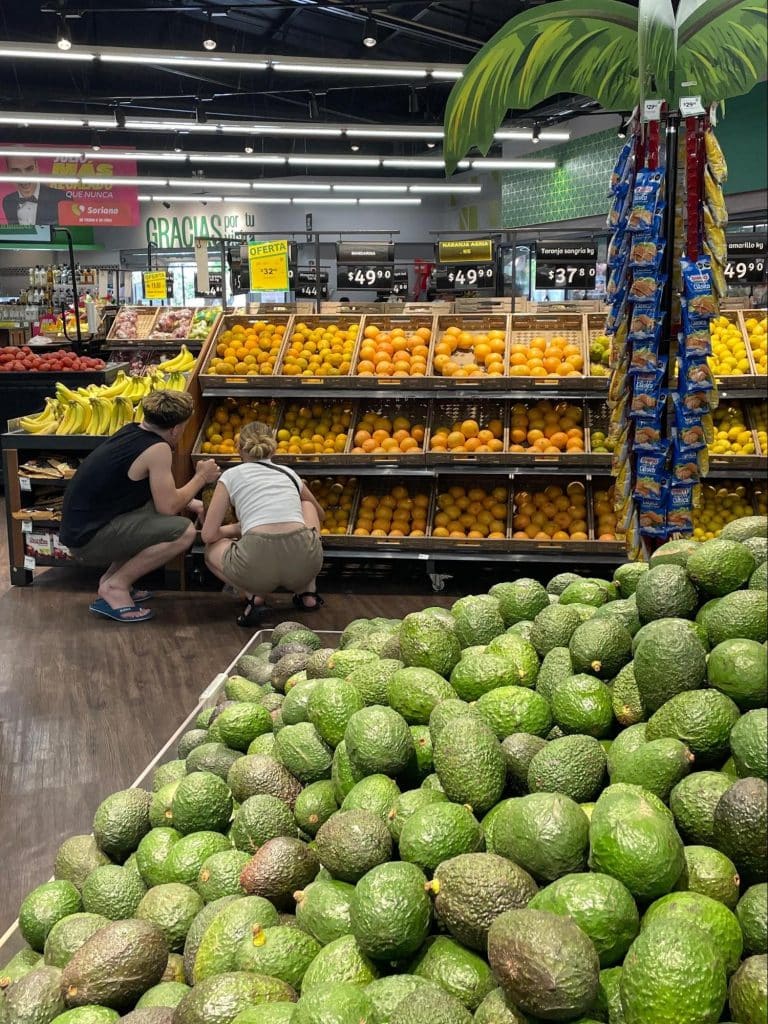


Day 3 – MONDAY – Journey to the Calakmul Bioreserve, a camp introduction and opportunistic night surveys
After another early start, we all prepared ahead of the long bus journey towards the terrestrial site in Calakmul, deep in the forest 🌳. We set off at 4:45 where we got a little breakfast box as some comfortable bus seats. On the way to the site, all of us quietly dosed off, getting some last minute sleep. Upon arrival at the camp in Calakmul, our home for the next week, we were surprised with the delicious lunch provided at camp; tacos and guacamole made by locals! After lunch we had our first lectures about health and safety as well as an introduction to what our week will look like. We also got group allocations for the surveys we would do in the week.
Group allocations – Group C: Carter, Millie, Sophie, Claudia, Africa – Group D: Sofia, Dario, Elouise, Lana, Maria – Group E: Annika, Fraya, Rafa, Liv, Jules
Succeeding the lunch period we got to explore the camp as well as settle into our tents 🏕️! This gave us a chance to unpack and set out our sleeping mats, bags and pillows. We then had dinner in the same shared area as where we ate lunch, and were told that we had an opportunity to contribute to an opportunistic survey ahead of tomorrow’s scheduling. We had two choices, bats or herbs yet those who were tired were not obliged to participate, it was solely to try out. To clean ourselves off for the day, we had bucket showers, however today, they were swarmed with bugs, including massive flying ants and wasps 🦟(and other unknown species).
Day 4 – TUESDAY – Crocodiles and Camp Skills
After getting settled the day before and a good night’s sleep we were all ready for our first full day in the jungle. Group E woke up early for an exciting trip to a nearby aguada where they managed to see snakes, frogs, two crocodiles, and a group of peccaries. Group E had their first habitat survey where they went deep into the jungle to set up a 20×20 meters quadrant split into quarters, where they measured canopy cover, leaf litter, sapling count, density, and tree sizes. Group D were lucky to have a late 9:00 to set up five different traps to catch butterflies.
For lunch today we got a lovely vegetable soup with rice and pineapple juice which got everyone ready for the lecture. Today the lecture was about the biodiversity in Calakmal and surrounding areas and how Operation Wallacea helped monitor and mitigate losses. After Group E went out to set up bird nets for the next day. Group C did camp skills where they had to start a fire with only a few matches and the sticks they found in the forest and when they got it going they were able to enjoy some yummy marshmallows. Group D went to check the butterfly traps they had set up in the morning, however it is early in the season so they were not lucky enough to catch any but were able to see many on the walk there.
After another lovely meal Group E were able to get an early night and be fresh for the next morning. Group C went for another exciting herp survey where they were less lucky but still able to see frogs, snakes, and lizards. Group D went for a bat survey where they were able to catch four different bats of three different species one being a golden bat.

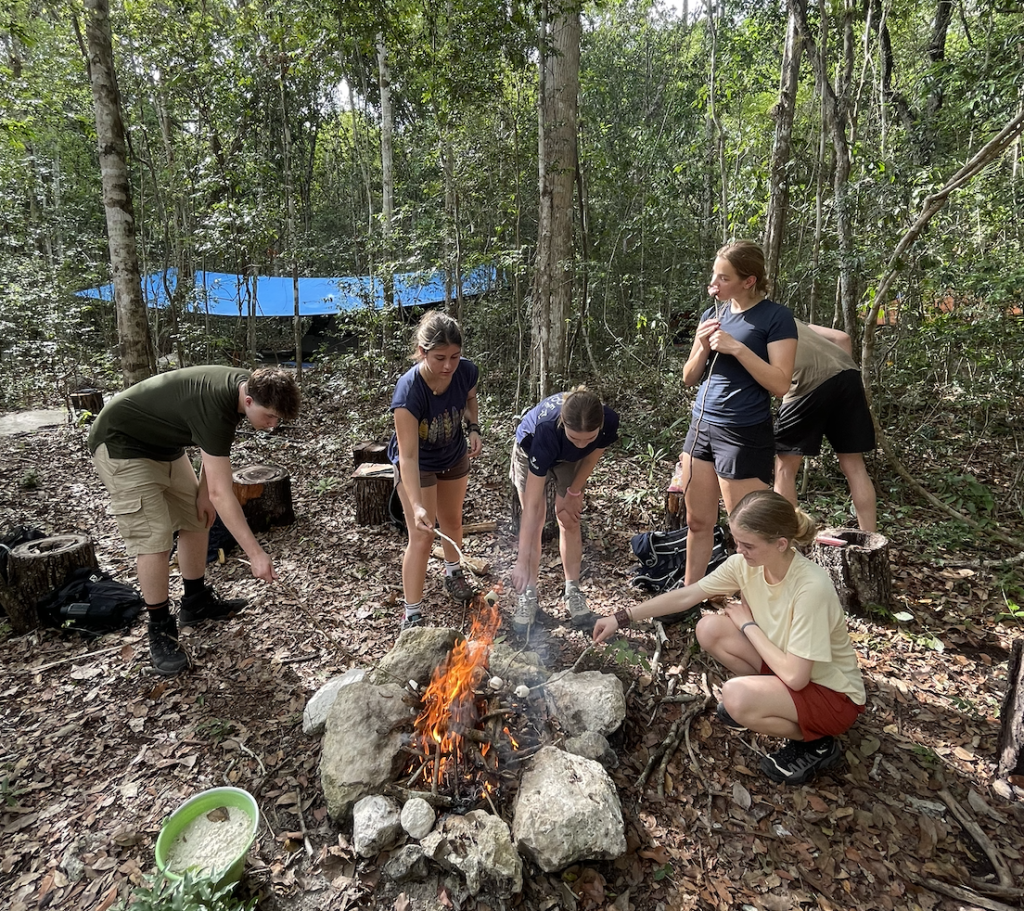
Day 5 – WEDNESDAY – Terrestrial Site – Bats, Birds and Butterflies
Our 5th day in Mexico was super fun, as per usual our different groups went on to do different exciting things. Group C had a lovely easy late start to the day at 9:00 where they went on to set up traps for butterflies using old bananas to lure them in. They went to check them later on at around 15:00 and unfortunately didn’t find any due to some rain that had fallen earlier. Group C had ended their day with a bat survey late at night, by an aguada, where they identified different species by their bone structure on their wings and other factors such as genitalia and whether they had a leaf nose or not. They had a busy evening identifying species and recording data – they caught and released 11 bats from four different species – a very successful night!
Group D had an earlier start to their morning at 7:30 where they started their walk towards the quadrat locations where they measured the number of trees, dead and alive, saplings and canopy covers. They then went on to set up five mist net traps to catch birds for their early start on Thursday morning, and had a calm relaxing evening.
Group E had an even earlier start at 4:30, and opened their nets in order to catch some early morning birds. They caught many different species, such as hummingbirds, woodcreepers, and a rare juvenile wren. They learnt how to release them, how to tell the difference between juvenile and adult, and male and females. They did the same habitat survey as Group D, instead they did it at 15:00 and they even managed to see some spider monkeys up close and personal, some mothers and juveniles, who were very inquisitive about their survey.
The camp was running low on shower water, so we couldn’t take any showers tonight, but luckily the rainfall was pretty heavy and managed to cool down the camp really nicely and remove some of the sweat on us. We had an amazing dinner and got prepared for bed for another fun filled day.


Day 6 – THURSDAY- Terrestrial Site – A Tropical Storm and some Biology Fieldwork
The morning of our 6th day we were all woken up around 4:30 to thunder, lightning and pouring rain hitting our tents. Sadly for Group D, they got up even earlier than 4:30 and went out in the rain for their bird survey, just to find out it was cancelled. This left them having to turn around, all muddy and wet, back into their tents. Despite the weather, Group C still had to go out for their habitat survey, yet Group E’s survey was postponed. Group E went on a mammal tracking survey, but had a frustrating time finding track prints, due to the unfavourable weather. Despite this, they still found two track prints and saw many spider monkeys.
Following the morning surveys, everyone met up for an eventful lunch, featuring a piñata for Ian, one of the staff members’ birthday. During this time, another rain storm hit us, leaving everyone splashed by the mud. Many surveys, once again, were cancelled, or done lecture-style to allow us to stay covered and dry. Group C and E both stayed inside the dining room, where Group C learned about birds and E analysed camera traps. At this time, Group D went out to a habitat transect in a dense forest, counting saplings and grown trees, measured leaf litter density, and canopy cover.
For dinner we all met up once again for a scrumptious meal of egg fried rice from the locals. We also were ecstatic when a water delivery arrived around 20:30 allowing us to finally take showers. During the shower wait, we were accompanied by an army of ants biting at our ankles, a scorpion, and even an owl in the dining hall. After a long exhausting day, we were finally able to feel clean and get a good night’s rest without having to set alarms for the next morning. We look forward to our late morning start, and exploring the Mayan ruins tomorrow.
Day 7 – FRIDAY – Terrestrial Site – Cultural Trip to Ancient Mayan Ruins
The morning of day seven was a late start because there were no morning surveys. Instead, we had a lecture on birds, bats and butterflies, and how they could be used as indicators of an ecosystem. After the lecture, we were supposed to have an early lunch at 11:00, but it didn’t arrive on time so instead, when our lunch eventually arrived (just an hour late), we headed straight onto three buses for an hour-long drive to the Mayan ruins. Once we arrived, we ate our lunch, which was delicious rice, beans, and seasoned mashed potatoes with hibiscus juice.
After lunch, we began heading down the path to the ruins, through the museum, where we connected to the Wi-Fi for a few minutes. After a brief bathroom stop we then headed off to the ruins, just a few minutes down the path. When we arrived at the first ruin that we could climb, we were told a bit about the history of the ruins, and so we found out it was a temple for the Mayan Sun God.
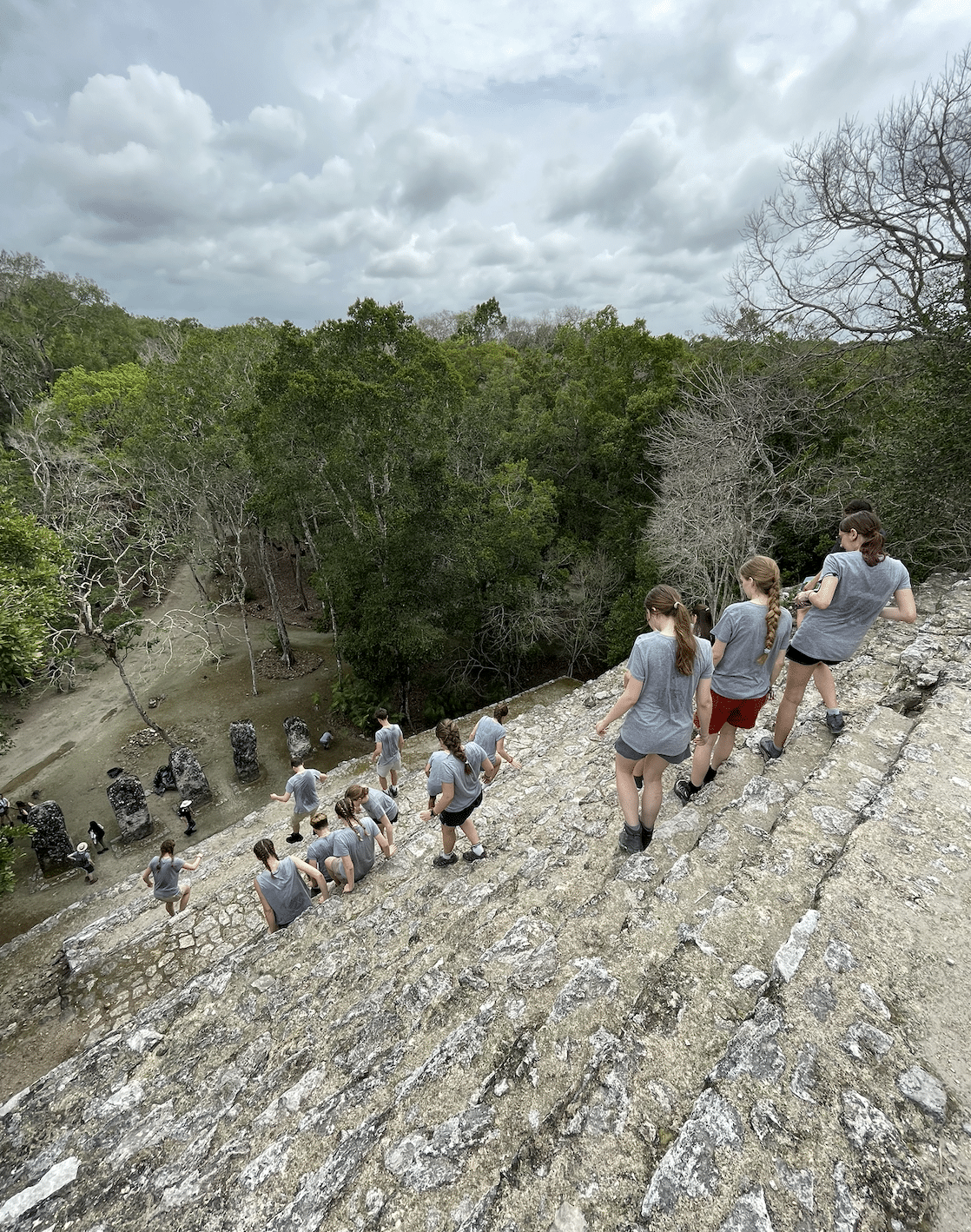
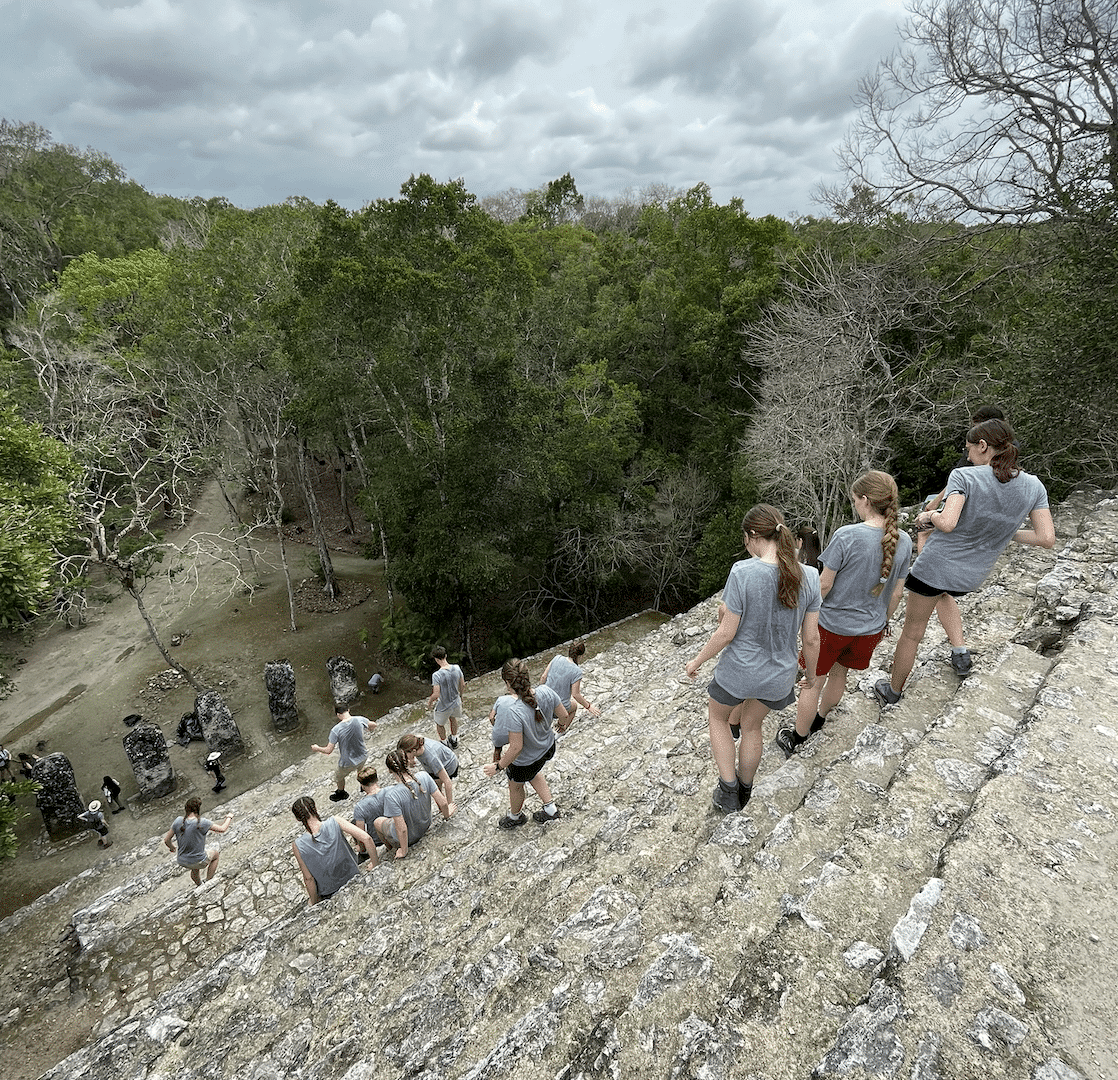
We started off hiking up the first, and smallest, Mayan ruin, up some extremely small and steep steps. It was a long hike and when we reached the top, we were all out of breath, however the view was amazing and we could see the next ruin we would be going up. Going back down was a little bit stressful because of how small the steps were—so we all ended up walking sideways. We continued to make our way around the reserve, looking at the many different ruins around that were excavated, all in varying states of repair. It was around this time it started to get cloudy and the guides decided that going to the tallest ruin next would be best, in case of rain, as slippery grounds weren’t ideal.
When we reached the top of the tallest Mayan ruin, a tomb for the kings, the rain started to pour on us and we began to hear Howler Monkeys. After we climbed back down the ruin we were able to see lots of Spider Monkeys jumping from tree to tree above our heads. Throughout the rest of the hike we got to hear more Howler monkeys call all around us. Once it reached 5pm, we left the ruin site and headed back to the camp site right on time for dinner. It was nice, chicken drum sticks in mole sauce, and rice with pineapple juice.
In the evening, Group D went out for a herps survey to see frogs, lizards, snakes, and crocs. They surveyed two aguadas and saw several sets of croc eyes in the water. Group E went on the bat survey, catching two different bat species. After a fun and tiring day, we all enjoyed a nice cold bucket shower for the first time in a few days. We all went to sleep ready to wake up early again tomorrow.
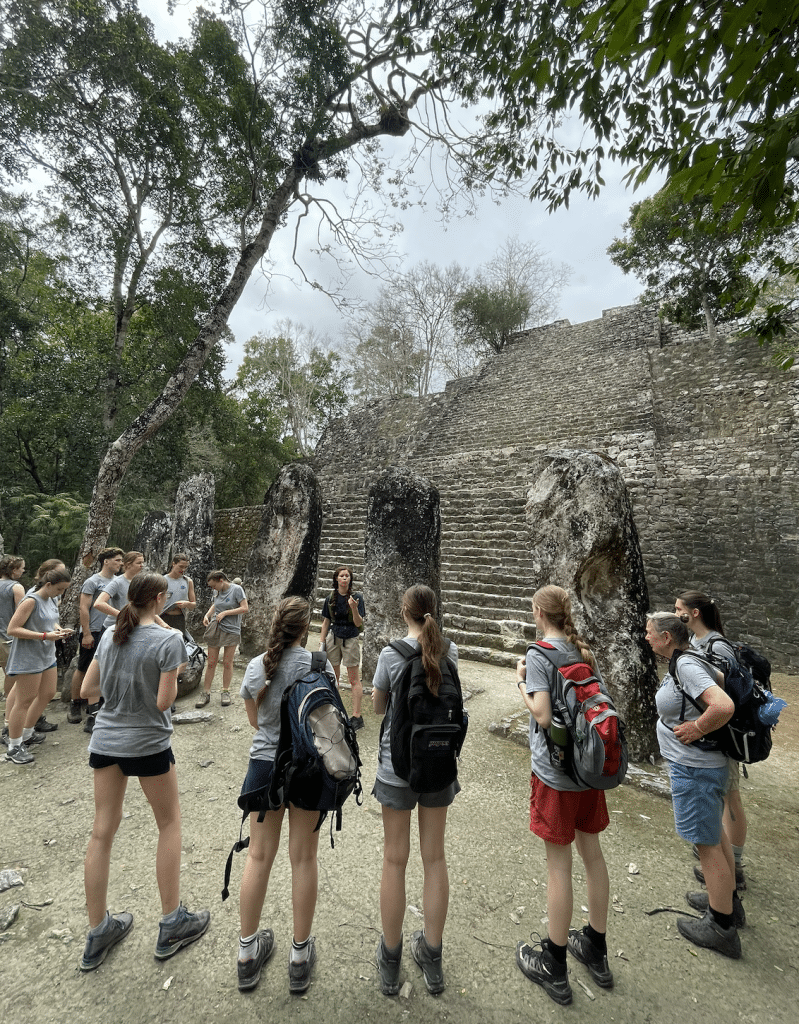


Day 8 – SATURDAY – Terrestrial Site
On day 8, we were back to our usual routine. Group D did not enjoy their morning survey due to rain however, they were rewarded by finding some rare puma tracks. Group E also had a rough morning with them not being able to find many Herps, also due to the heavy rainfall.
After a refreshing and energising lunch, combined with an interesting lecture it was time for the second survey of the day. Luckily the rain had stopped. Still Group D remained inside doing camera trap data. Group E stayed inside to learn about different knots before going outside to try and make a fire, however due to the damp weather and wet sticks, they were unable to get one going naturally and so used oil. They then enjoyed their fire with some delicious marshmallows. After dinner all groups enjoyed an early night, except Group E, who went to see Herps at an aguada. They saw a lot of different snakes and enoles. On the way back to the camp, they found the most venomous snake in the peninsula, only around 350 meters away from the campsite so it was a very rare find.
Group C woke up early in the morning, in preparation for the bird survey, which was scheduled to leave at 4:30, wherein we had the transect which was a long 30 minute-walk from us, at transect 5. We found a total of 9 birds, and processed each, before heavy rain poured down on us. This led us to return drenched, just before lunch time. In the afternoon Group C enjoyed the lecture, and were set to do a habitat survey, however due to the rainfall and departures of some staff, it led to a butterfly survey instead, wherein they put up new traps, specifically designed for moths and minimising the escape of them.
Lastly, to recall a short memory of the day, a rather sizeable ants’ nest 🐜 fell right behind the three tents of the Grade 11 girls, causing for some quick rescuing need, as well as tons of bug spray. The overview of surveys for each groups are found below.


Day 9 – SUNDAY – Terrestrial Site
To start off, the blog fun fact about our campsite is that there is always a fruit of the day. Today’s being bananas :). The day started off early for Group C at 6:30, for mammal tracking at KM 27 T1. This included recording and finding tracks, and looking for monkeys in the trees who are waking up. Lucky for Group E they could sleep in, as their survey only started at 9:00 with a chill nature walk and setting up butterfly traps, with hopes of collecting lots of butterflies.
When everyone returned to camp around noon, lunch was waiting with roasted chicken and rice. After lunch, most people started packing their bags for the marine site in Akumal, and we got to buy some small souvenirs, and bracelets, which were hand-made by two local girls selling them at the Calakmul Campsite. After the food, Group C and D stayed at the camp taking part in camp skills and processing the camera trap pictures and data. Group E on the other hand went out to check the butterfly traps, but unfortunately due to it being the start of the season, there weren’t any butterflies caught today.
After all of our surveys we enjoyed a nice cup of coffee and tea while having a fun get together in the common area, sharing some anecdotes. Swiftly moving onto dinner, we all enjoyed a local stew, with homemade tortilla chips, which was washed down well with the refreshing drink.
After dinner, we had a little down time before enjoying a nice cold beverage, provided by the lovely OPWALL staff, the drinks being Pepsi and Fanta. Following these beverages, we all took part in a sweet quiz, which was made by some of the scientists, which we all enjoyed a lot, even though none of our groups won (the university students unfortunately, and unfairly stole the win). After the fun quiz we said our goodbyes to the caring OPWALL staff as well as the stationed scientists, and took our last refreshing bucket shower before heading off to bed, to get ready for the 6 hour drive at 5:45 tomorrow morning, to go to the marine site, in Akumal.
Day 10 – MONDAY – Transfer from the Terrestrial site (Calakmul) to the Marine Site (Akumal) (through the birthday girl’s (Sofia) perspective ;)).
Today we made our way to the marine site, meaning we had an early start at 5:00 in the morning, so we would be ready for take off at 5:45. When I got into the dining hall, all the amazing students had made a homemade banner for my birthday and started to sing “Happy Birthday”, which made it feel like being back at home with my family which was really sweet of them!!!
After that amazing birthday morning, and saying goodbye to the lovely staff, we all got on the bus for the 6 hour drive to the marine site – Akumal. We stopped at a gas station to stock up on snacks and drinks, even though we were all sleeping on the bus because of the early start, and a week full of wonderful experiences just behind us.
We arrived at the marine site at 12:30 and got the full tour of the house we are staying in. It felt like a miracle for everyone to actually see real toilets, showers, and fans after a whole week without. All the girls are sharing a room, just as the boys are sharing one, making the formed friendship bonds between everyone even stronger (although we were pretty merged as a whole by now)!
After the quick introduction of the local OPWALL staff and scientists, we all jumped in the pool to cool off, refresh after the long drive and to blow off some steam, which was an amazing birthday present! After the dip we went back inside for dinner which was rice, beans, and vegetables, but just what we all needed. After that, I got another amazing birthday celebration with a cake from the staff and another “Happy Birthday” song from everyone (I do recommend them singing lessons at this point). We then quickly filled out some papers to start our PADI training tomorrow morning, and got to take a long well deserved shower (an actual one) and went to bed early for an exciting day of diving tomorrow.
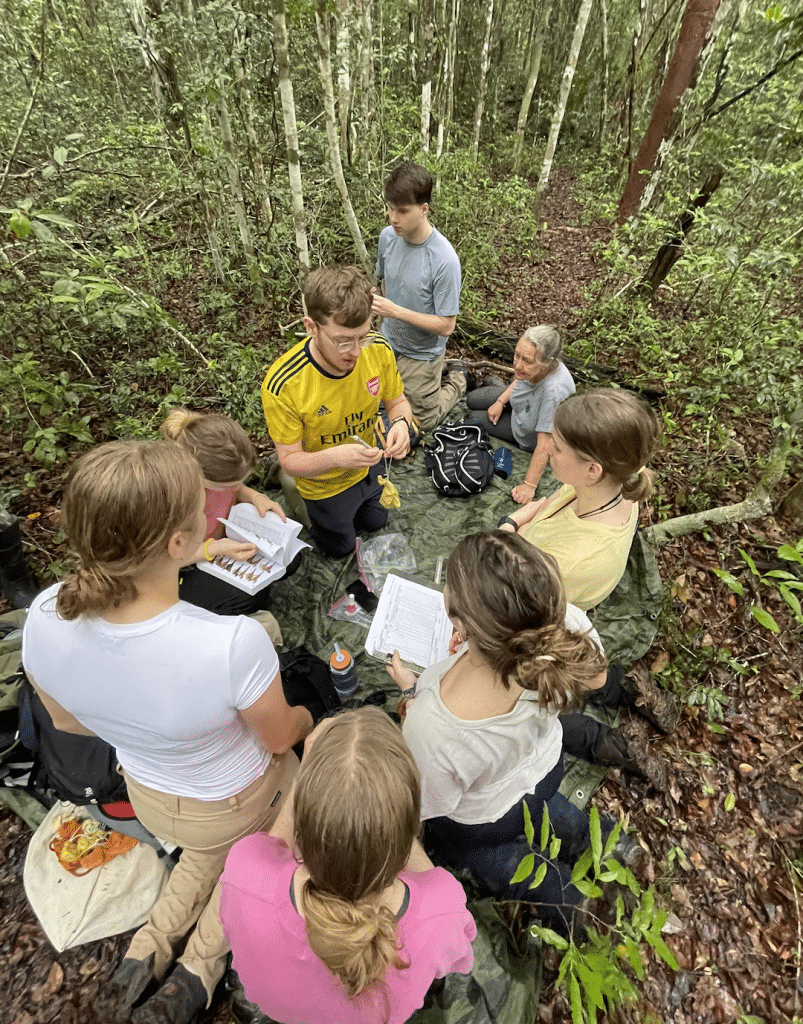



Day 11 – TUESDAY – Marine Site – Shark Sightings and First Dives
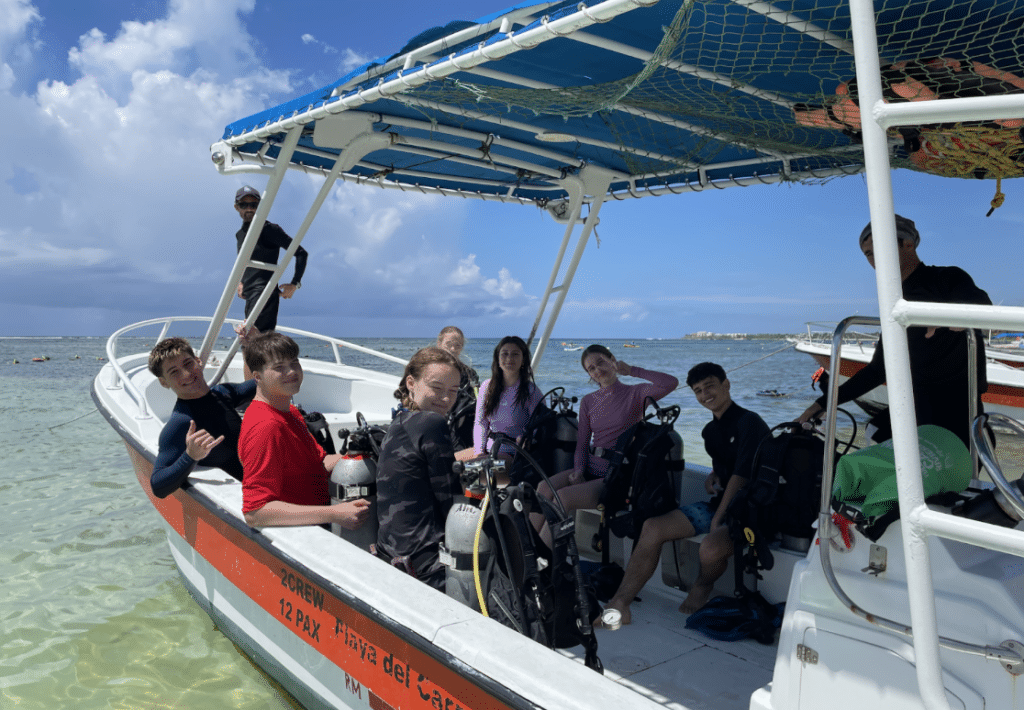
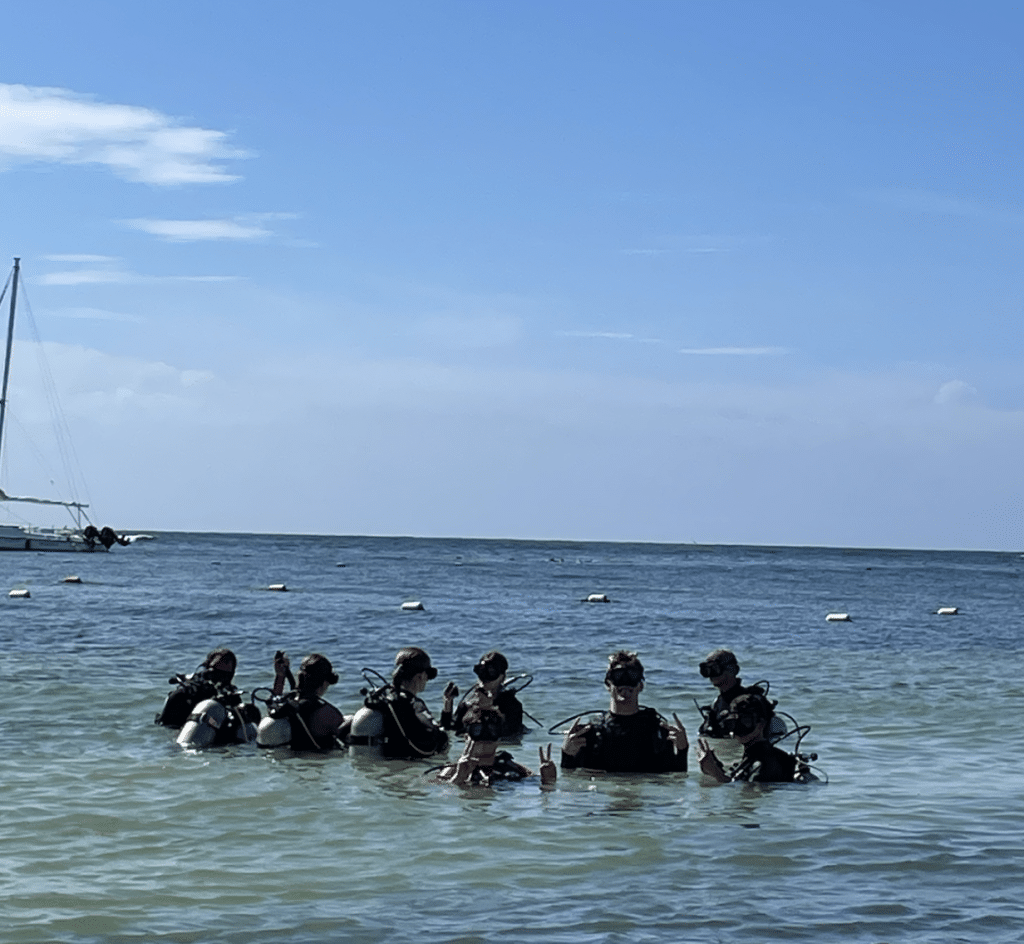
Our first day at Akumal had started bright and early at 6:10 for the experienced divers. Once they had a lovely breakfast (pancakes, toast, eggs and fresh fruit), they piled into a bus and headed off to the beach for the check dive. On the check dive they went through some skills to remind themselves of how everything works, yet due to a very strong current they couldn’t do some skills so the rest of the dive was spent as a fun dive 🤿.
The free dive lasted around 15 minutes, on which they witnessed a sleeping nurse shark 🦈, a Barracuda, and a few sea turtles 🐢. They then returned to the surface and climbed back onto the boat to head to shore. After their first dive, the qualified divers had a few hours of free time, where they were given a tour of the local town, and shown where they were allowed to shop and relax until lunch. After lunch, they headed back to the dive centres, and geared up for the buoyancy dive check. On the buoyancy dive check they did not see as many fish 🐠, but they did see three different lobsters 🦞 after the buoyancy exercises. After the buoyancy dive they headed home at 14:30 to rest for a while, until the lectures and dinner.
For the learning divers we woke up a little later, at 7:00, and started with a PADI lesson, we then headed off to the beach at 10:00. One of the groups started with their first confined dive, where they practiced different skills, such as clearing your mask under water, then they headed off for their first free dive where they completed the same skills only now at a depth of 12 meters.
During this time the other group was able to relax and explore the beach. After lunch the first group had their free time, while the second group had their first confined and open water dives. In the evening, before dinner, everyone had a lecture about marine sampling techniques. Then everyone ate dinner and finished the night off with another lecture about coral identification 🪸.
Day 12 – WEDNESDAY – Marine Site – Turtles, Eels and Pufferfish
Our second day in Akumal started off with some more PADI for the open water divers, in which we later found out that all our progress had been lost, and needed to be done yet again…. Some of us then continued to have completed the exam and are therefore theoretically PADI certified (only the confined dives are to be completed)!
The first group started off with turtle snorkelling just outside the bay, and found 13 different turtles, from which three of them were babies. The second group started the morning off with a confined dive wherein they learnt more skills, such as rescuing and manually inflating the BCD (Buoyancy Controlling Device), as well as fully removing the scuba kit in the ocean.
They then continued with their second open water dive, whilst the first group headed out for some lunch (hot dogs and fries 🌭). During the second open water dive, we practiced sharing air while swimming as well as getting water out of the mask. We also did some fun flips and swam through coral structures 🪸🐠 at the depth of 15-16 meters. Then the second group also got some well deserved lunch.
After lunch the first group went out to dive where they practiced the same skills and saw some eels, pufferfish 🐡 and even a Spanish mackerel! The second group went on the turtle snorkel and saw a turtle with three marrons, showcasing their symbiotic relationship, which was super cool! Coming back we had another lovely dinner as well as two more lectures; one on how to ID fish, and the other one on the importance of coral reefs.
Day 13 – THURSDAY – Marine Site
Today, we all began the day with another delicious breakfast with fluffy pancakes, peanut butter, toast, and eggs with vegetables. Later on, we changed into our swimming gear and drove to the diving center. The open water divers started their day at the beach, with an underwater dive where they learned how to navigate underwater using a compass, and how to dive to 16 meters without a rope. They found some parrot fish, puffer fish, butterfly fish, eels, a motorcycle underwater, a two-meter long sleeping nurse shark and groupers. Meanwhile, the qualified divers continued their fish surveys underwater where they learnt how to ID different fish.
After such a new, scary, yet exciting experience, the open water divers were able to recharge for their second dive with some warm quesadillas for lunch. Soon after, they headed to the diving center to once again prepare all of the equipment for the second dive.
The qualified divers continued their fish ID, but used another method of data collection. They created a transect, and swam along the transect to ID all the fish alongside. Meanwhile, the open water divers headed to their second dive of the day, they saw tons of turtles, parrot fish and butterfly fish. As they resurfaced onto the boat, they noticed the weather wasn’t looking very promising. After this dive, some students were officially qualified and passed the PADI open water diving course, as they had met all the requirements, and completed all the dives. Back at the dive center, Group 1 prepped their gear for their second dive of the day, however due to weather conditions, the bay was closed, so both Group 1 and 2 spent the rest of their day at the beach and at the shops enjoying every last bit of Akumal.
(Fun fact, AK = turtles and UMAL = place/home, therefore Akumal = home of the turtles (in Mayan)).
After a short drive, we were back at the marine site and we discovered the storm/rain had flooded into the girls’ room, so we all quickly grabbed our things and moved into another room. Then we had an interesting lecture on turtles and seagrass, and ate a delicious bowl of soup for dinner, before watching a short 40-minute documentary on ocean life, which provided a nice, calm ending to the day. We were all extremely tired and so shortly after, rushed to bed.


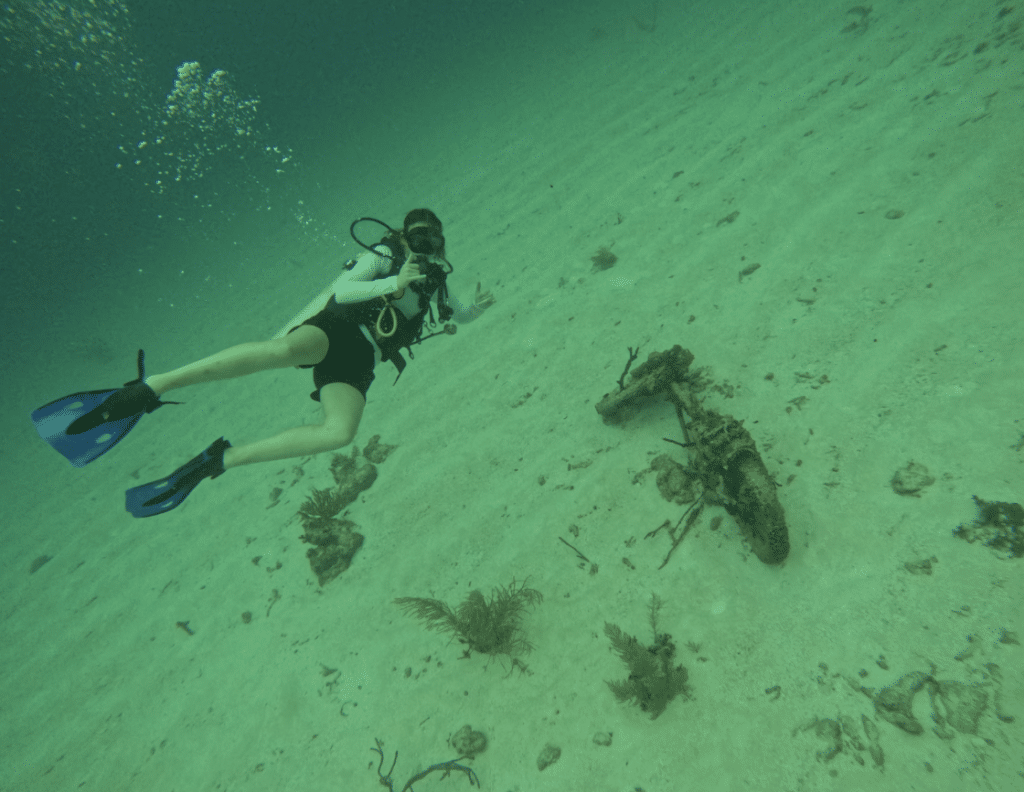
Day 14 – FRIDAY – Marine Site – Diving in a Cenote
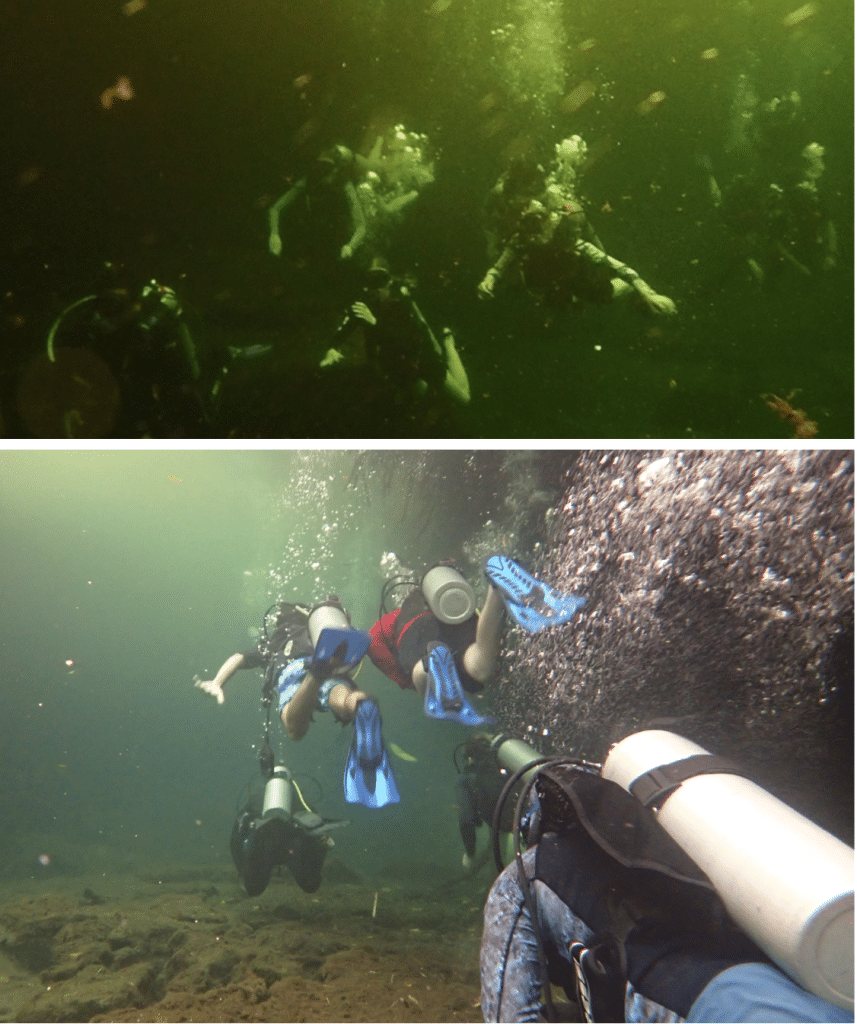
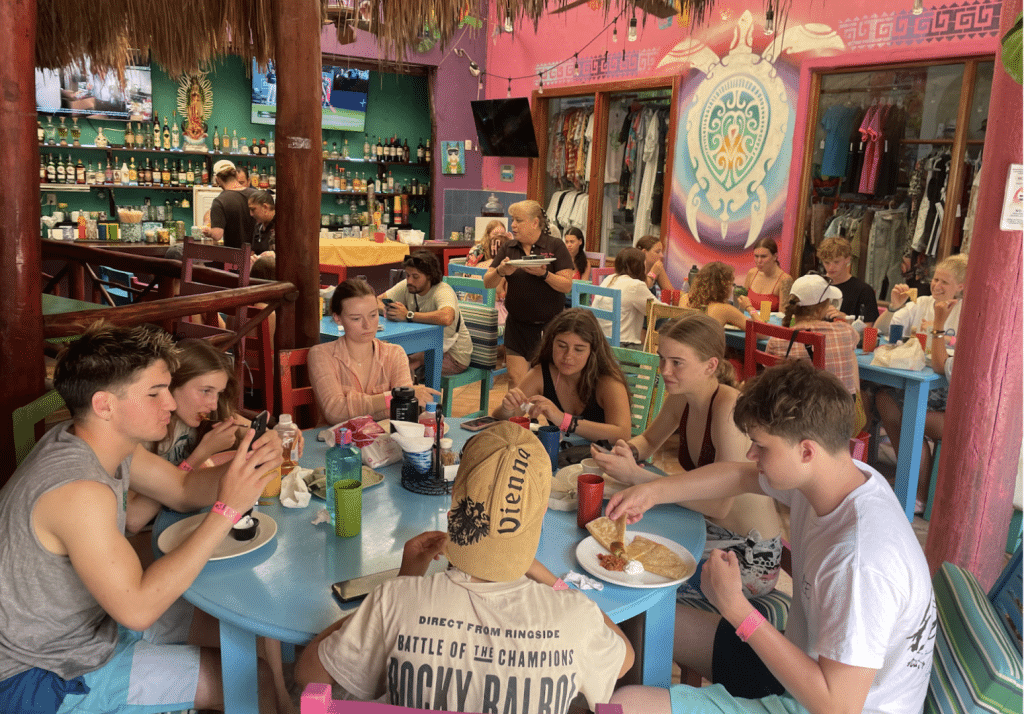
Today we had an early, tiring start at 6:30 in the morning 🌅, which started with yet another lovely prepared breakfast, with the news that we would be diving in the cenote, instead of the usual ocean at Akumal Bay. At around 8:00 we got picked up by the minibus, which then took us to the dive centre to collect all the diving gear, before continuing our journey to the cenote. As soon as we arrived, it started pouring with rain, and we had to quickly assemble our equipment to get in the water as soon as possible. We were split into groups of four, according to who had already received their PADI certification, and who still had a dive to complete. Each group was appointed with a diving instructor, who guided us through the wonderful mangrove covered waters.
After descending down to a shallow depth of 6m, we got the chance to see some freshwater fish and crabs 🦀 flourishing in their habitat. We went through a narrow passage where we got a small taste of what cave diving is like. This was certainly an experience to remember! However, on our way up, we encountered a layer of murky water, which made the ascend very interesting yet not very visible. This was due to excessive rain ⛈️ which had washed mud from a nearby road into the cenote. This rain unfortunately continued all afternoon, so we worked on our collaborative science project and enjoyed the funny and informative presentations of our peers. Lucky for us, there was another birthday 🎂, this time from one of the research students meaning we got to have cake again. “get in the bin” 💯.
Day 15 – SATURDAY – Marine Site – Our final day in Akumal
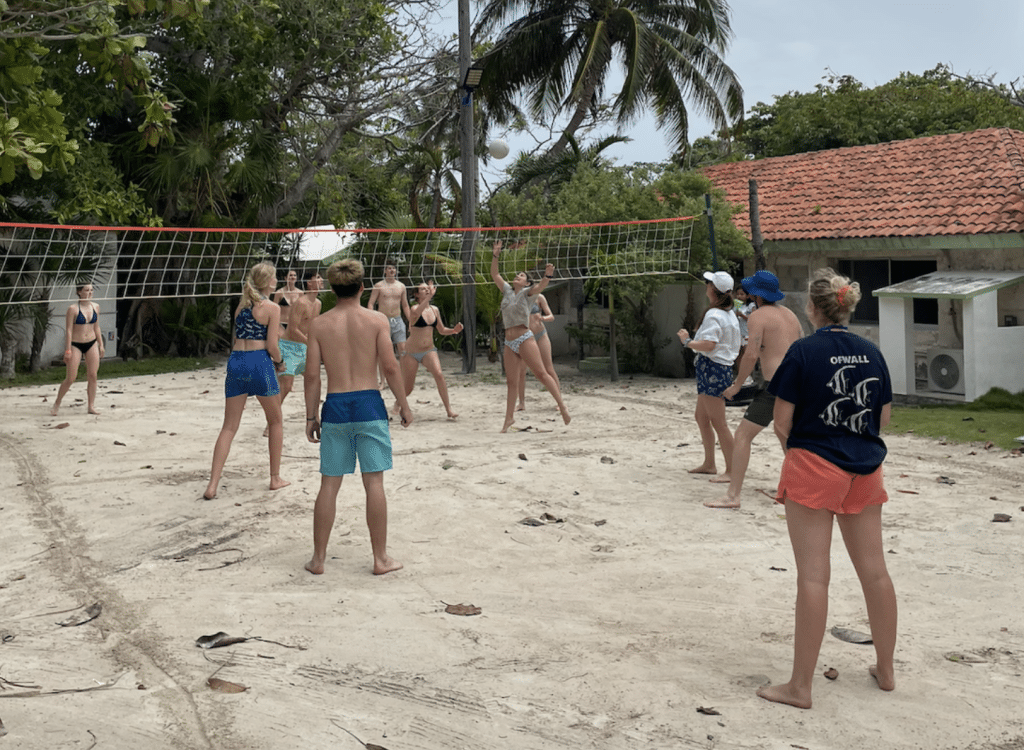
Today was our last full day at the Akumal marine site. All groups met for breakfast at 7:00, and we collectively headed to the dive center at 8:00. Unfortunately, the sea conditions were extremely harsh, so we weren’t allowed to dive. Instead, we all went on a snorkel trip together on the edge of the reef, paddling through the choppy waves 🌊, searching for sea turtle s🐢. After spotting a few turtles, we had some free time to explore and chill before lunch. Many of us went on one last trip around the shops to buy some last-minute souvenirs and snacks, then some of us joined the staff for a tiring game of volleyball in the burning sun. After a quick dip in the ocean, we ventured to our final lunch in Akumal bay , and were blessed with quesadillas once again. The remainder of the day at the beach was spent relaxing in the sun, splashing around in the ocean, and taking in the beach views for one last time.
We drove back to our accommodation in the late afternoon, and participated in a hectic Jeopardy-style quiz, with questions ranging from coral ID, to underwater hand signals 👌 – testing our knowledge on the lectures. We then settled down, and prepared ourselves for our final night in Akumal, meaning we got to packing most immediately, all getting ready to return to Cancun tomorrow 🧳🚎.

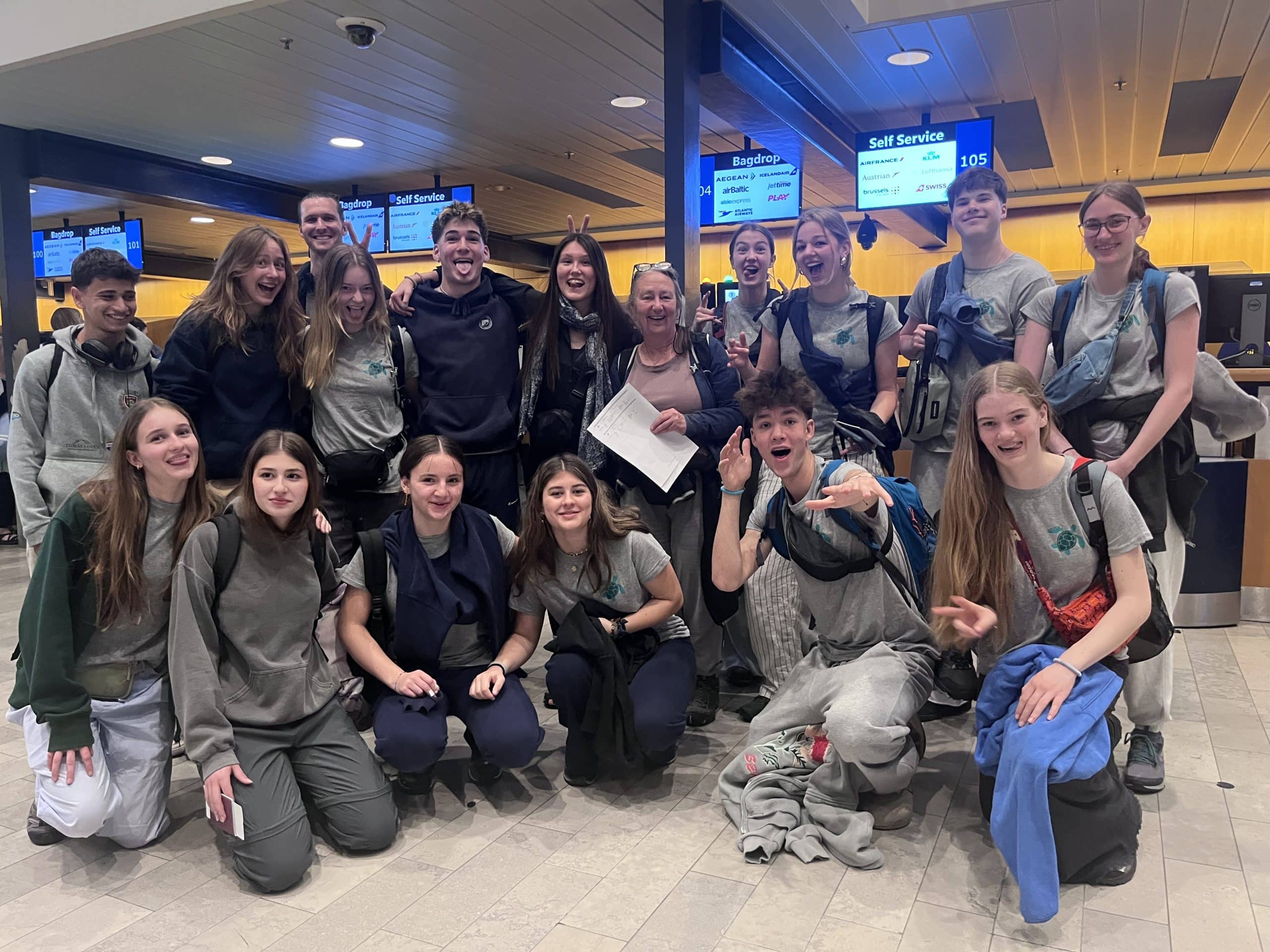
We are off to Mexico!
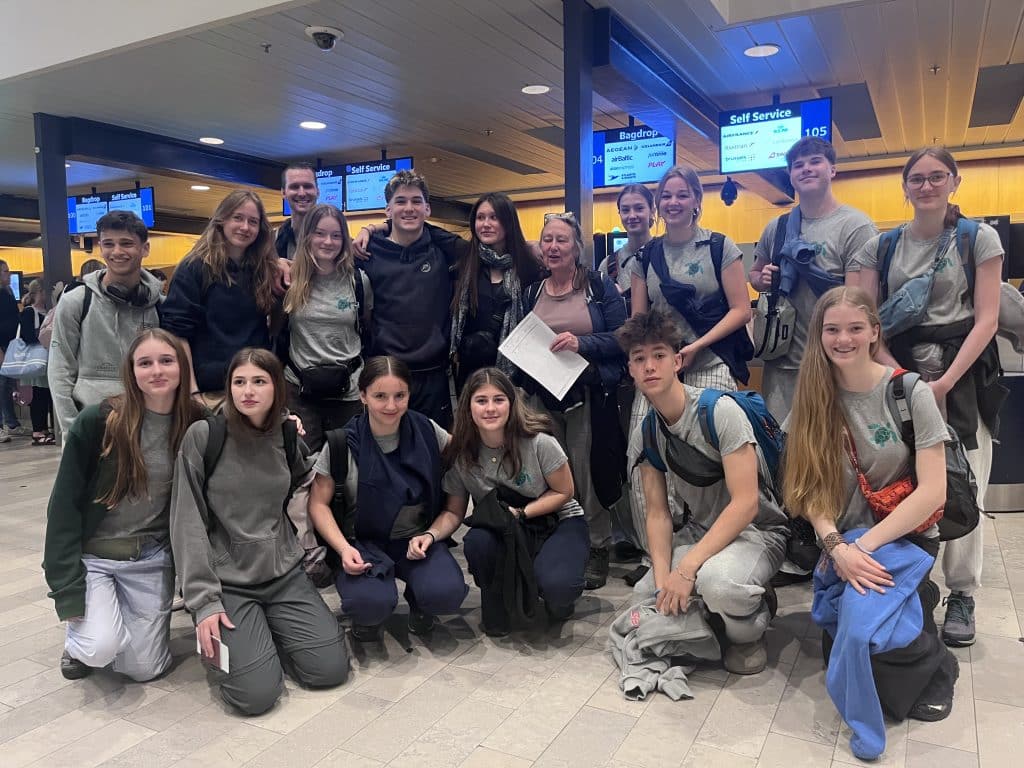
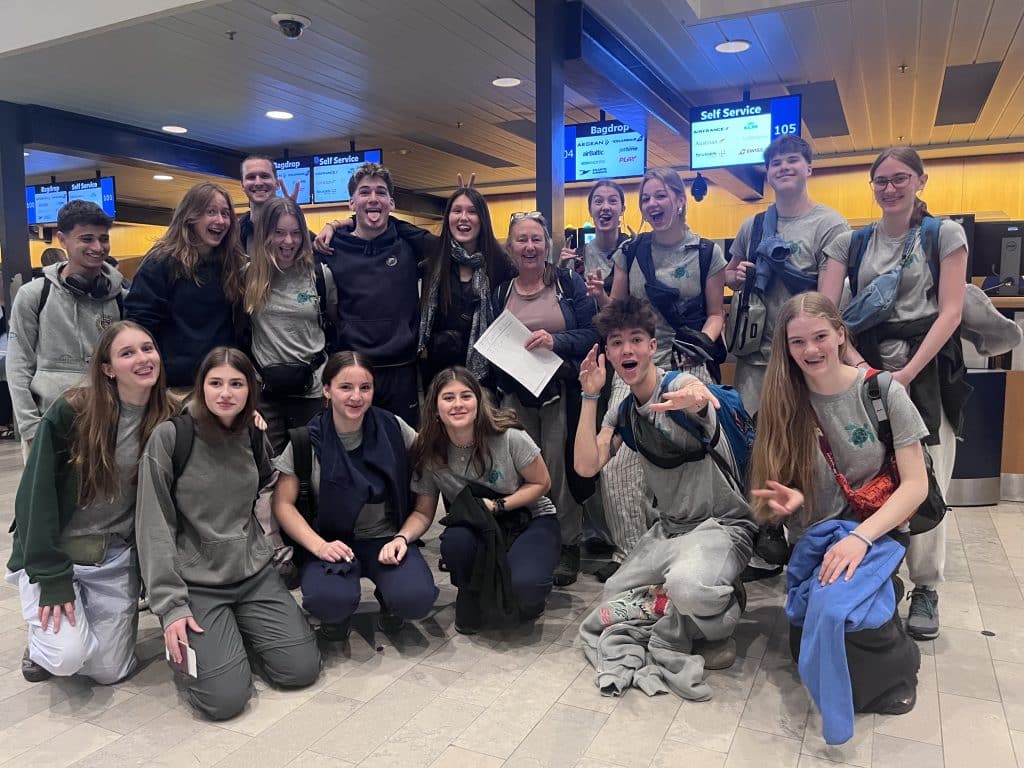


BioMex 2025 Countdown OPWALL trip barbecue
With our trip to Mexico coming closer, our group got together for the annual OPWALL trip barbecue. We rode our bikes up to Klampenborg and set up around a grill in the park. We had 3 students plan the event, and it turned out to be the perfect way for all of us to bond before our big adventure.
We brought a variety of snacks and food like burgers and hot dogs (some of which unfortunately fell on the floor), fruits and of course some candy. We had music playing while we ate and then enjoyed a game of American football.
Despite the weather being rainy and us almost losing the football in the lake, we had a lot of fun together and grew closer as a group. We also managed to go over a few more final details about the trip, including parts of the packing list, local customs in Mexico and a general overview of what the next few weeks are going to look like.
As the day we leave comes closer, all of us are getting more excited for the trip! The barbecue reminded us of how great our group is and how ready we are to get our trip started!

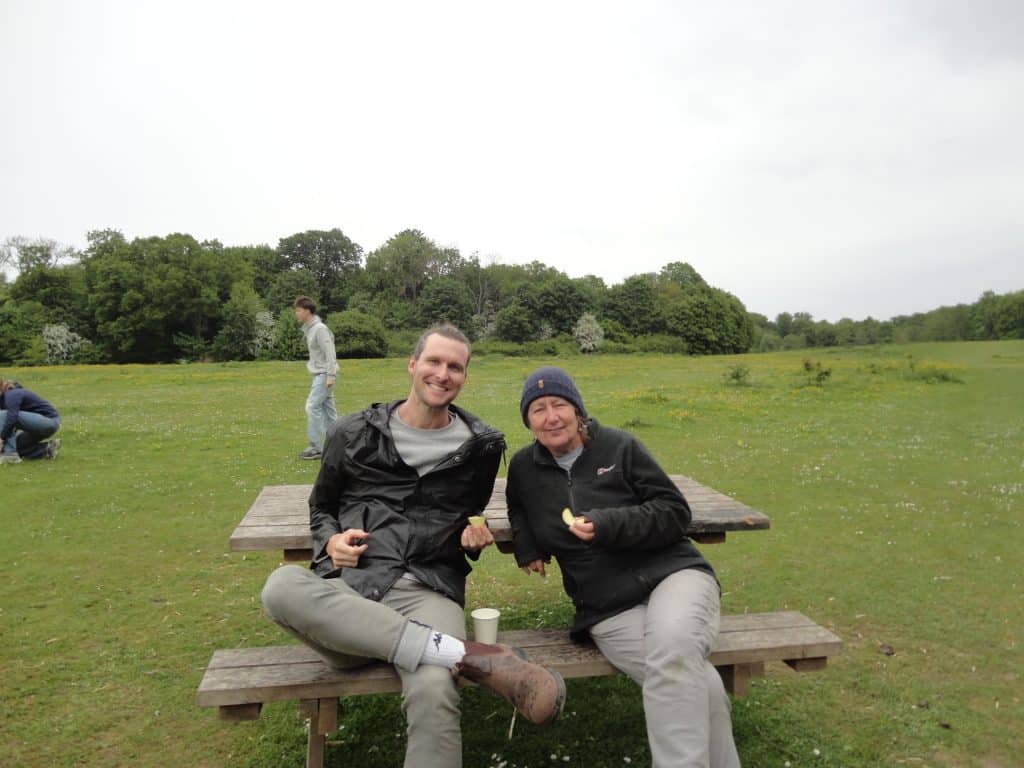

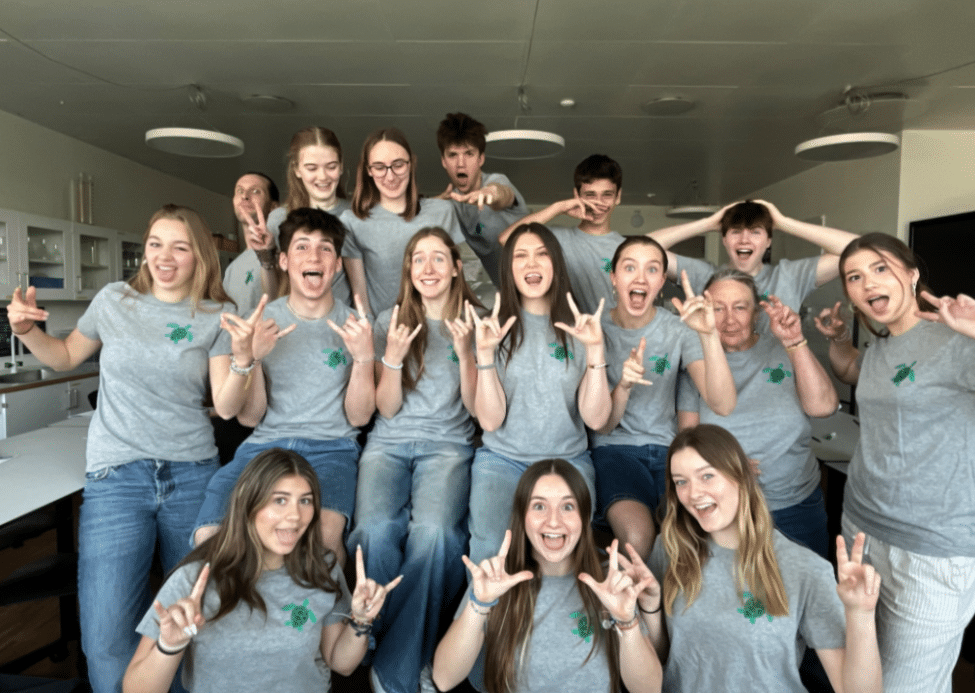
Countdown til the expedition
With only a short 6 weeks to go, we had another team meeting to conclude any finalisation and clarification regarding packing details, upcoming requirements and some more planning, all leading up to the final expedition, with excitement levels increasing as the take-off date nears.
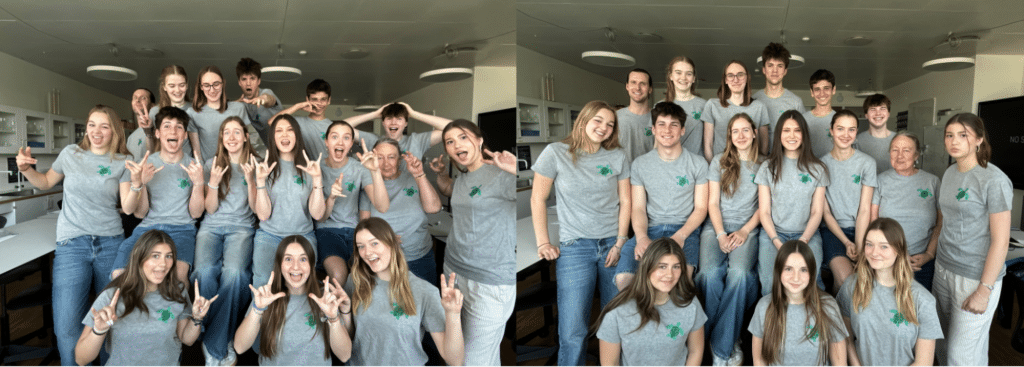
Luckily, building up team spirit and morale, our specifically designed t-shirts, one of the outcomes of our team collaboration, had finally been shipped and delivered to the school, which as seen in the picture has a labelled turtle; “Mexico ‘25” which combined with the grey colour really frames us together as one whole; as which we will be in the days residing in the jungle and seaside. To keep the momentum of team spirit going, we continued with planning a spring barbeque, another opportunity to, outside the general classroom, connect and enjoy moments with each other before heading off across the ocean; whether it is through sharing some laughs or splurging on some hamburgers. As with the t-shirts, we each put in our best effort, as a whole, to pre-plan and allocate mini-tasks/even workloads in hindsight of the barbeque.
From now onwards, we will all be busy packing, with us all having at least one item ticked off the list (p.s hinted in the photo), using the extensive yet very important packing list, providing all the necessities in great deal. Lucky for us, we too had a visual demo regarding the rash vest and swim trunks appropriate during the marine focused week of the expedition, which showed us exactly what patterns would give the best impression of fashion sense to the sea animals :). Regarding the diving, we received some more instructions which are to be carried out prior to leaving, so we have some knowledge beforehand, helping us when we are preparing to take off into the ocean.
All this left the team with more excitement and eagerness to go, with the most positive and radiating team dynamic, all of us are more than thrilled to undergo this expedition with the other partakers (and teachers of course)!
Operation Wallacea in Madagascar: Days 16 and 17
Days 16 & 17 – Nosy Be 28/06/2024 & 29/06/2024 – Friday & Saturday
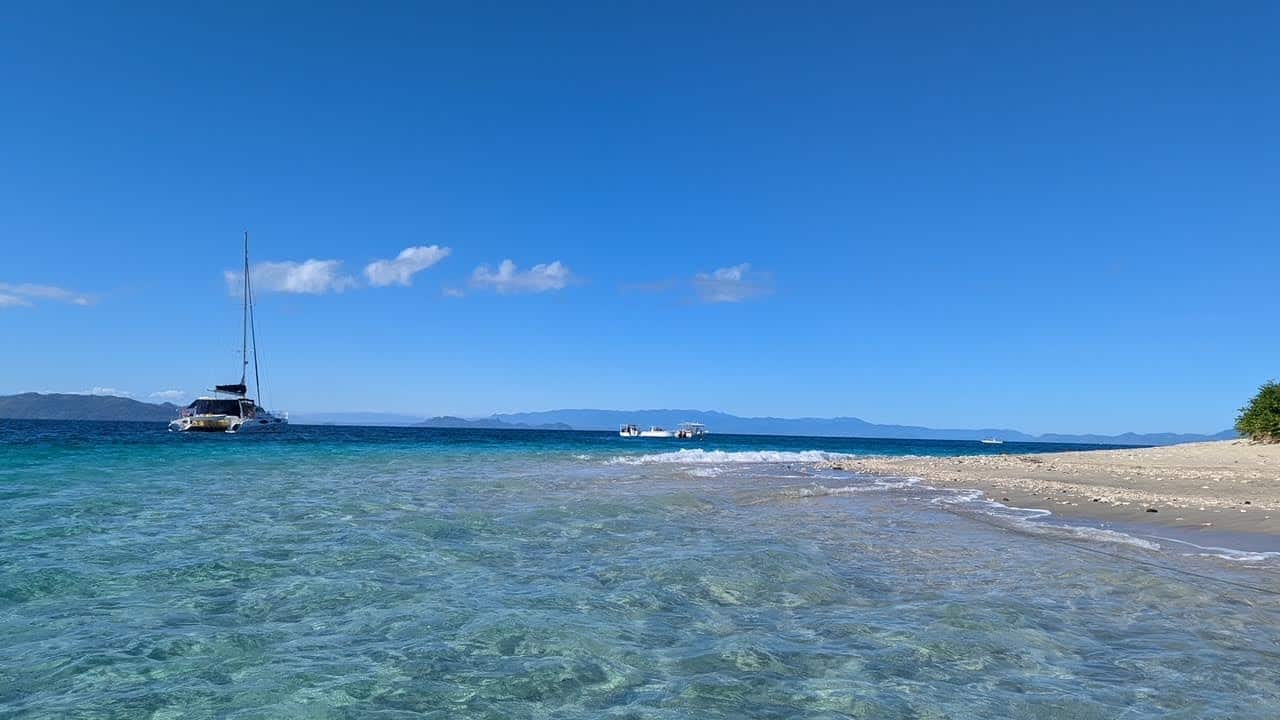
Our last day at Opwall site in Nosy Be consisted of a spectral snorkelling trip to off shore small island called Nosy Tankelly. We all ate breakfast filled with excitement, knowing the prospect of seeing so many amazing animals and crystal blue waters were upon us. The boat ride ended up being about 20 minutes long, the small waves causing the boat to jump up and up and down. As we arrived everyone waited patiently and then jumped off the beach onto the white sand. We had a briefing from the two Opwall staff who came with us and got into the water.
The snorkelling morning was separated into two parts, two rounds of snorkelling to help ease the tiredness that comes with it. The group saw some many amazing things, such as an red and brown octopus, a bunch of turtles and a massive fish. The expertise overall was breath-taking and one the group won’t forgot quickly. Between the two snorkelling rounds the group relaxed along the beach, lying on the sand, soaking in as much sun as possible. This resulted in a bit of burning for a few of us so we eventually all moved into the shade. As the afternoon rolled around the boat took us all back to the main island were we all enjoyed some lunch and spent the afternoon on the beach. Most people also enjoyed a last sunset swim, a beautiful one with orange and pink shining bright.
On the Saturday we had to move from the Opwall site so they could clean it for the next group to come. We moved just a few spots down the road to a very quaint little white hotel on the beach. Straight after putting out bags in our room everyone rushed to the sun beds on the beach to soak up our last day in paradise. All afternoon everyone just relaxed with the bittersweet feeling knowing we were leaving tomorrow, back to reality. Most of us also walked up and down the beach spending our the last of our money on small gifts for family and friends. We needed our day with a group dinner at the hotel restaurant.
Robyn