Kindergarten at CIS
A nurturing environment that inspires a lifelong love of learning
In the Kindergarten programme we embrace the International Baccalaureate Primary Years Programme (PYP) transdisciplinary framework to nurture our young learners’ holistic development.

Features of the International Baccalaureate Primary School Years Programme (IB PYP)

Approaches to learning
In our Kindergarten classrooms, children embark on an exciting journey of exploration, discovery, and growth, guided by experienced educators who recognise the importance of the early years in shaping a lifelong love for learning.
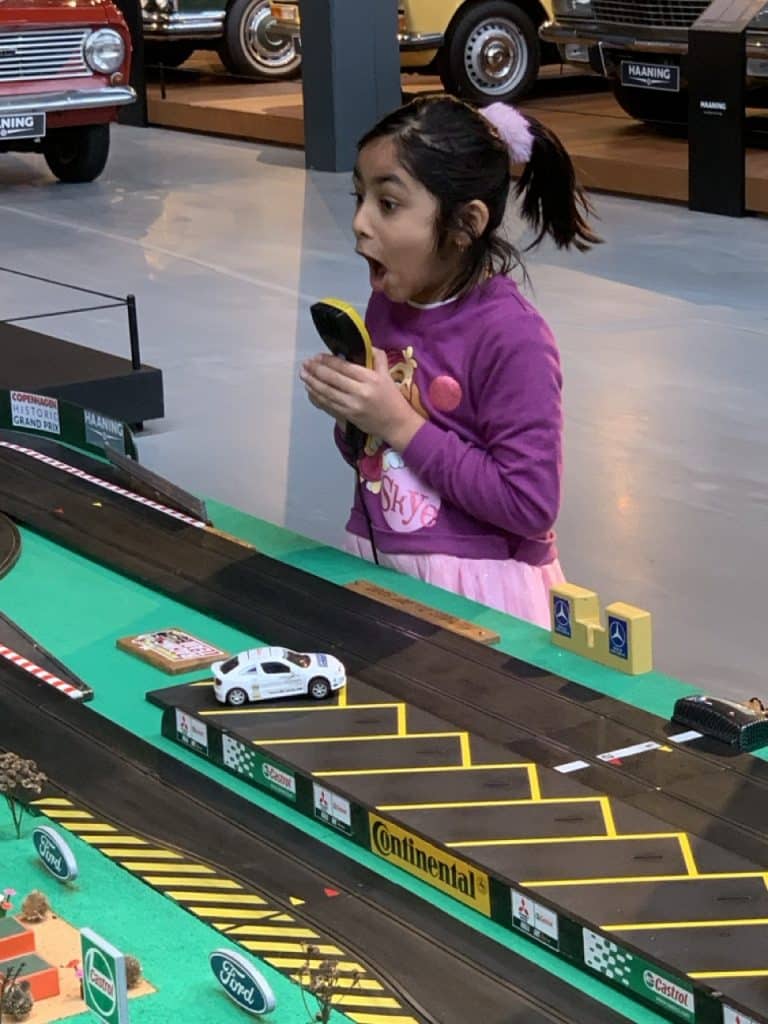
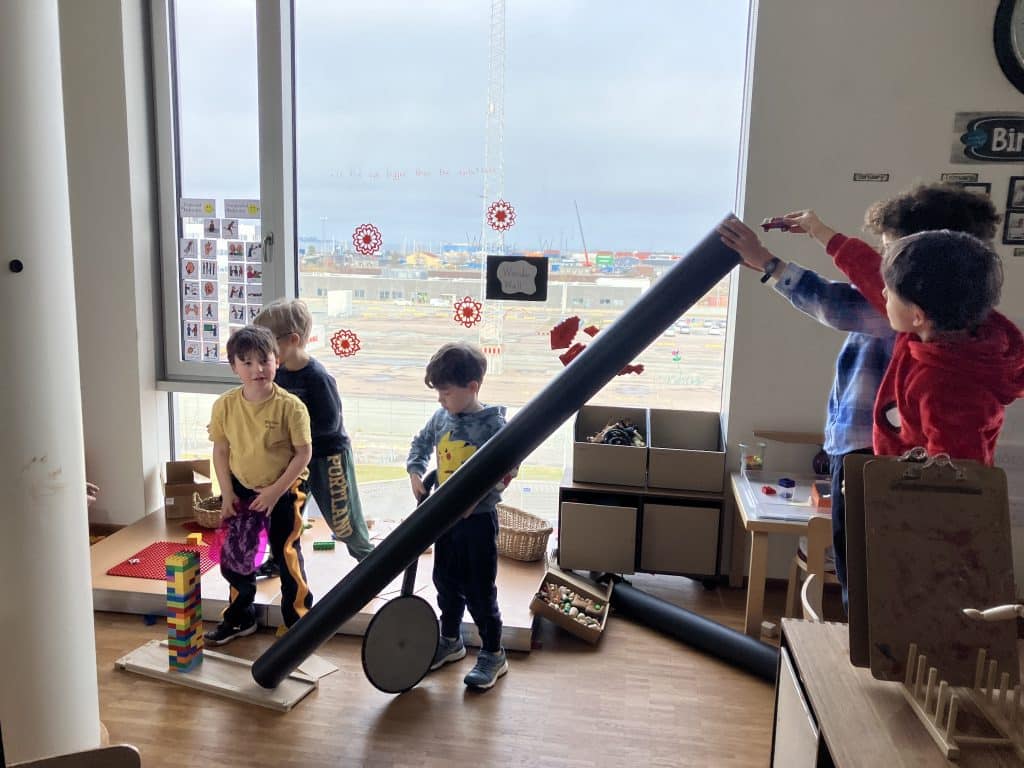
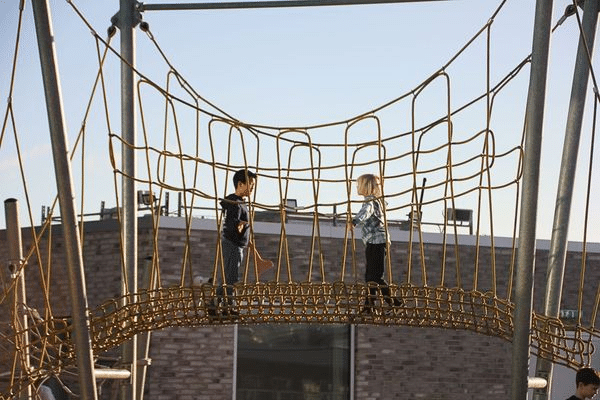
Within the PYP framework, we provide authentic opportunities for our students to develop key developmental abilities, fostering their cognitive, social, emotional, and physical growth in a nurturing environment.

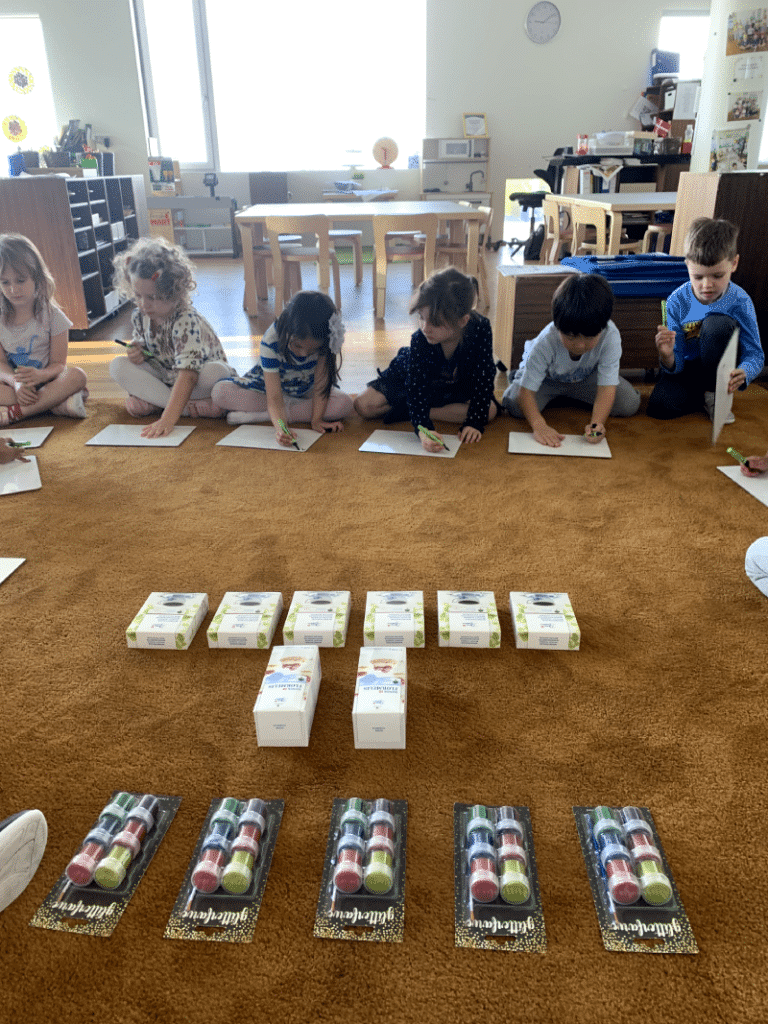
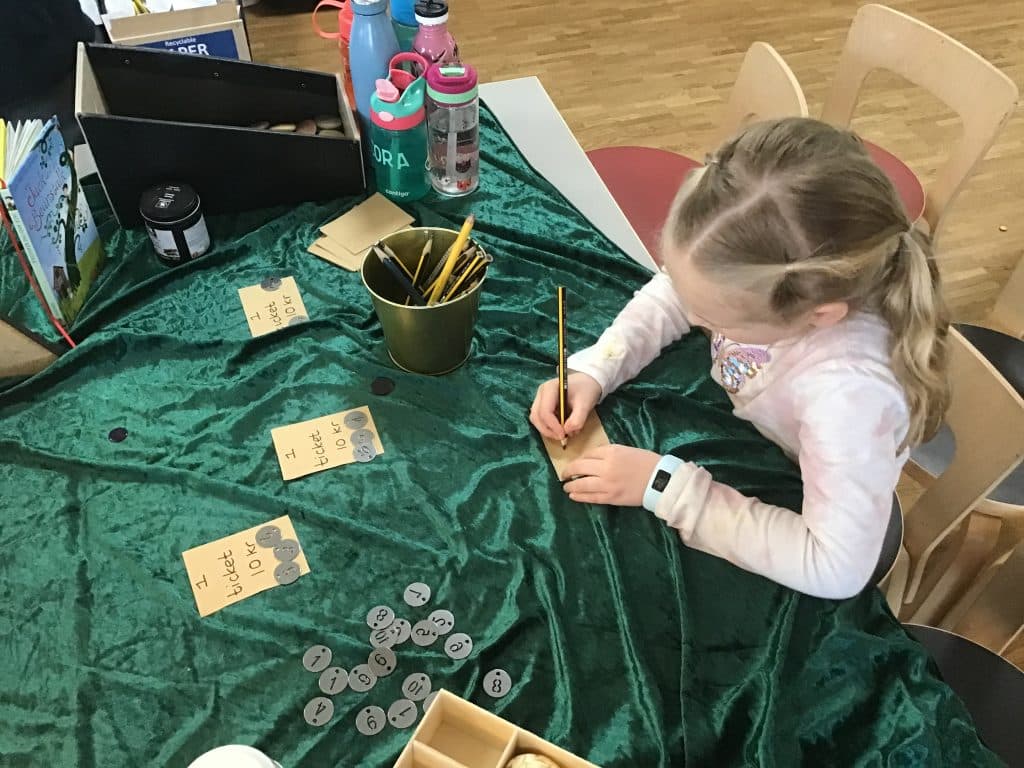
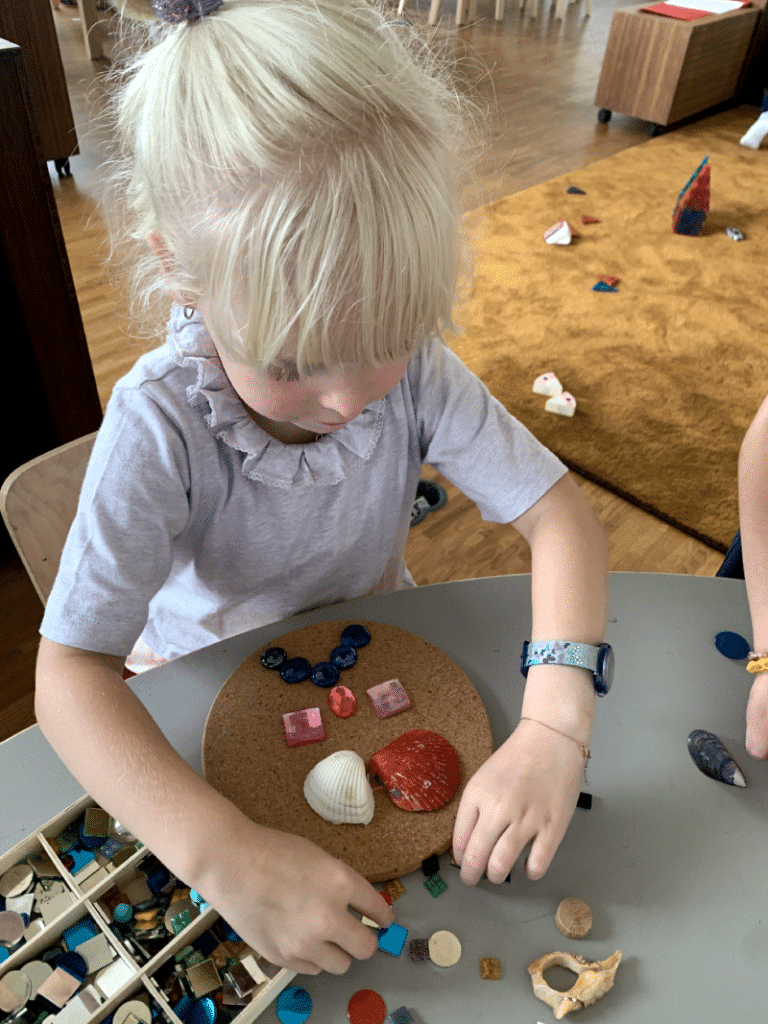
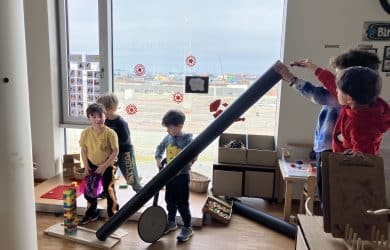
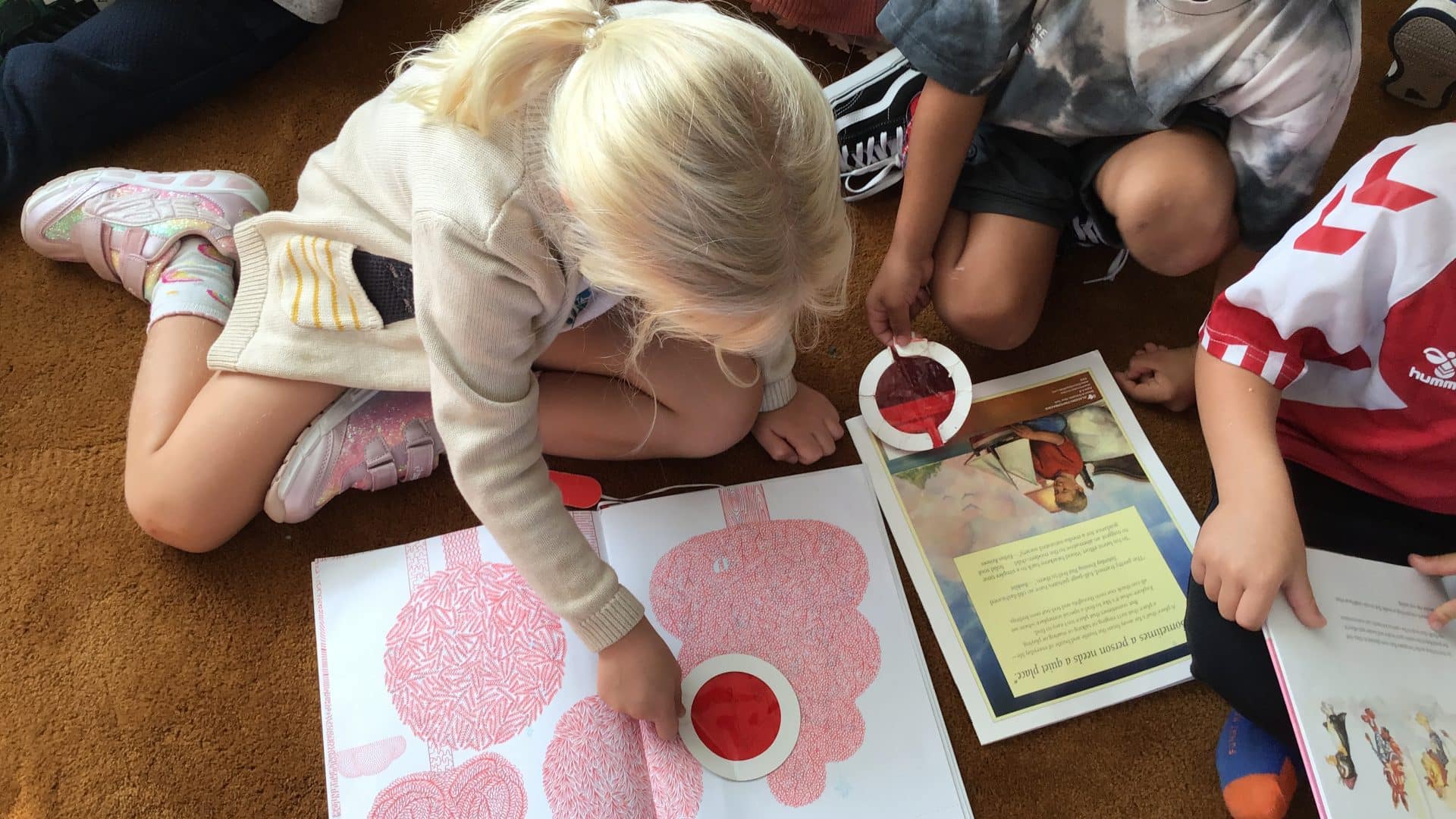
We believe that play is not just a pastime but a powerful tool for learning and inquiry. In Kindergarten we celebrate our time together as an opportunity when play takes centre stage, serving as the primary driver for exploration and inquiry. Through play, children exercise choice, develop agency, and delve into important concepts and personal interests, laying the groundwork for a deep and meaningful understanding of the world around them.
- Pedagogy shifts from teacher-led instruction to play co-constructed by both students and teachers, emphasising whole-group experiences at key learning moments.
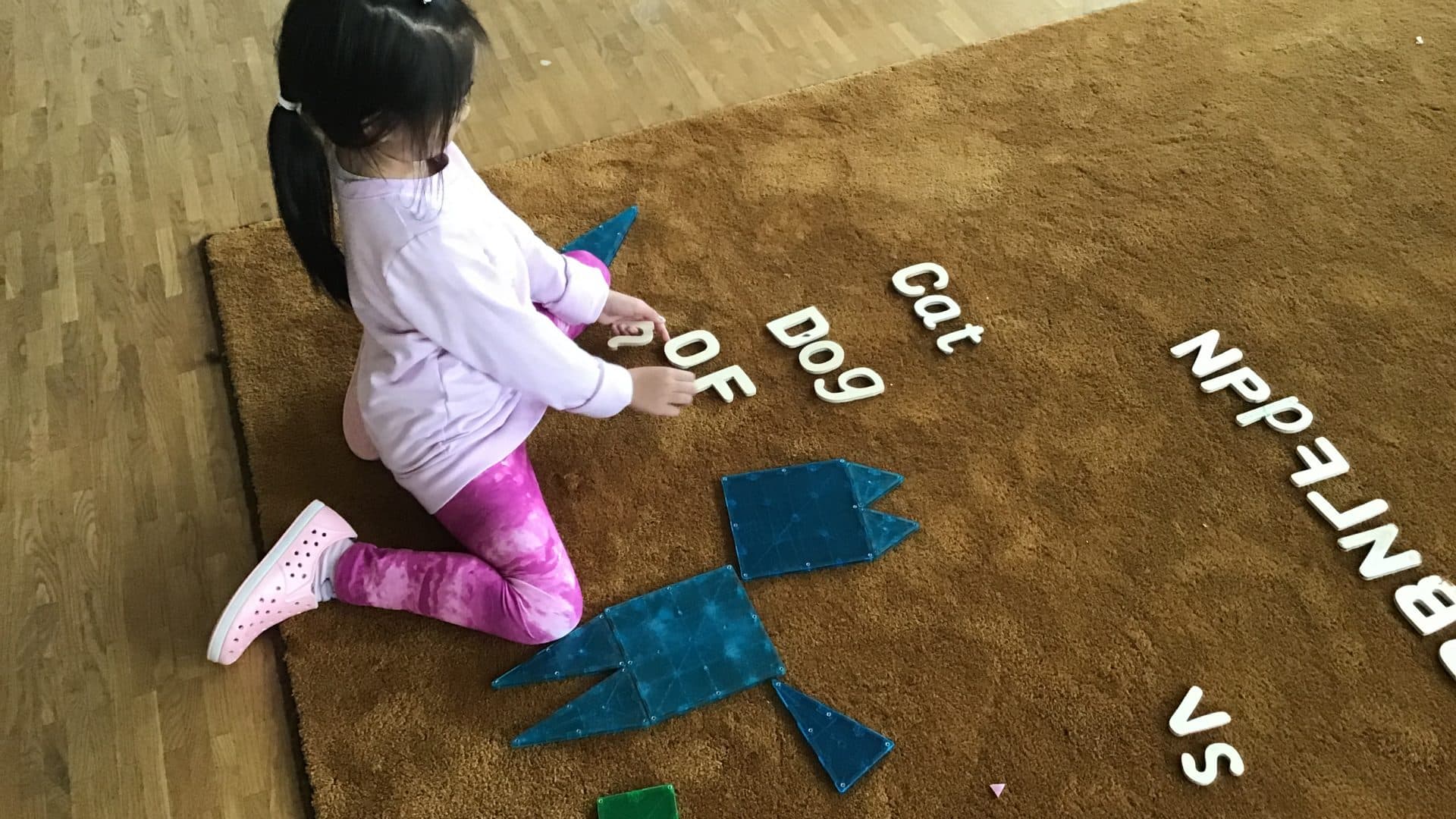
- Literacy and numeracy evolve from memorisation to inquiry-based explorations, fostering symbolic and representational learning.
- Self-regulation development moves from praise and punishment to modeled behaviours, group games, and music.
- Units of inquiry become iterative and flexible, focusing on concepts significant to young students’ lives.
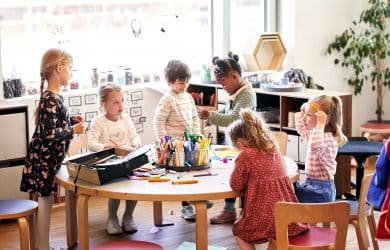
- Learning spaces promote independence, choice, and play as central features, offering diverse experiences at all times.
- Assessment shifts from group-based tracking to individual milestone monitoring, celebrating achievements pertinent to each student’s unique developmental journey.
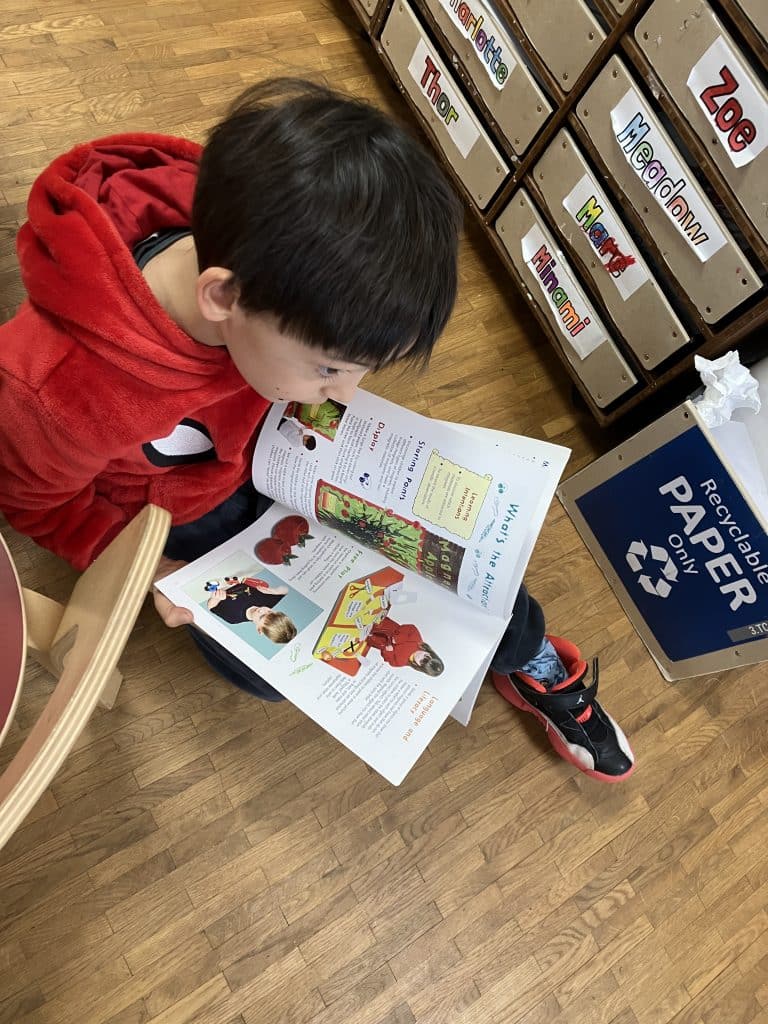
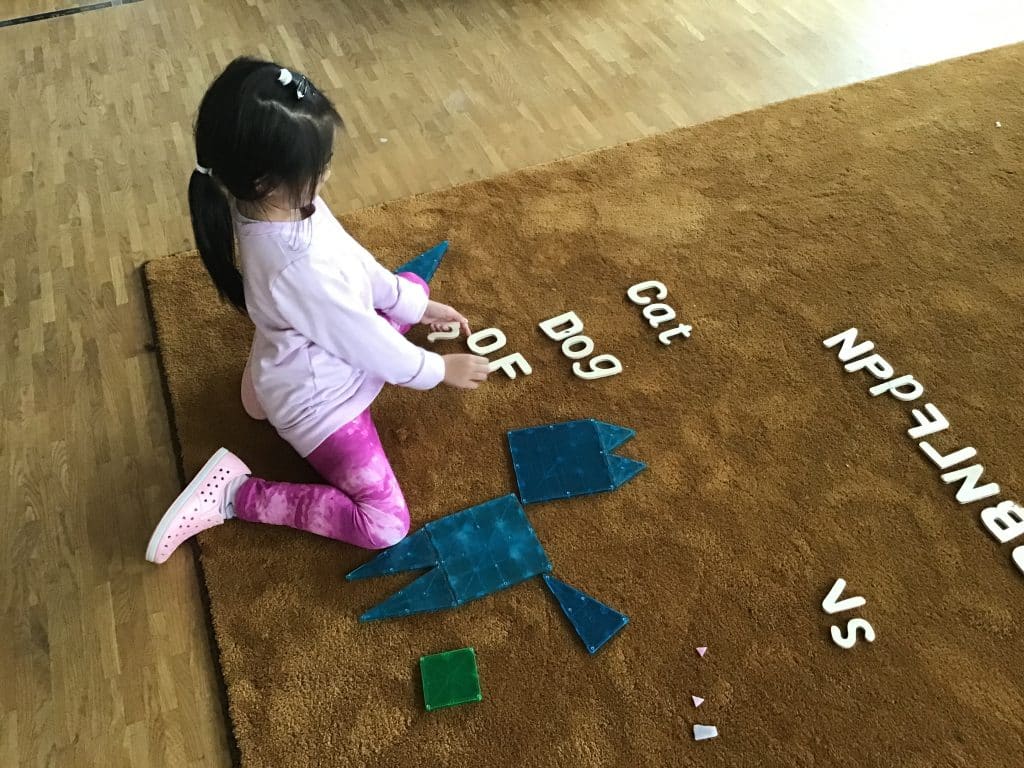

Central to our approach in Kindergarten are several key features that guide our educational practices. In addition to play, we prioritise the cultivation of strong relationships between students, teachers, and families, fostering a sense of belonging and community within our classrooms. Our learning spaces are thoughtfully designed to inspire curiosity, creativity, and collaboration, providing children with environments that support their diverse learning needs and styles. Furthermore, we encourage symbolic exploration and expression, recognizing the importance of art, language, and imaginative play in enhancing children’s cognitive and emotional development.