

From classroom curiosity to scientific conference, Siddarth Bhat’s passion for astronomy has led to an impressive research achievement.
Grade 9 student Siddarth Bhat has co-authored original astronomy research that was selected for presentation at the Symposium of the Society for Astronomical Sciences, one of the leading conferences for amateur astronomers worldwide.
Working with fellow students Audrey Tan, Delia Acosta, William O’Donnell, and Siri Borgerson from Stanford Online High School, along with instructor Kalee Tock, Siddarth helped investigate how starspots can affect observations of exoplanets, planets that orbit stars beyond our solar system.
“The research has been selected to be presented at the Symposium of the Society for Astronomical Sciences, one of the premier events for amateur astronomers,” Siddarth said.


As part of the project, the team analysed 26 exoplanet light curves and explored how stellar activity can influence scientists’ understanding of distant planets. They also examined how these effects could impact future observations from the PANDORA satellite mission.
The experience gave Siddarth the opportunity to participate in authentic scientific research and collaborate with students from around the world.
“Our end goal is for this paper to be published in the Journal of the American Association of Variable Star Observers,” he shared.
At Copenhagen International School, we are proud to see students pursue their passions beyond the classroom and engage with real-world challenges. Siddarth’s achievement reflects the curiosity, dedication and ambition that we encourage in all our learners.
Congratulations, Siddarth, on this outstanding accomplishment. We look forward to seeing where your love of science and discovery takes you next.

In April, my parents and I had the incredible opportunity to visit the NGO the Talented Women’s Club, a group of ambitious, intelligent, and very kind women from Accra and the surrounding area in Ghana.
For more than 20 years, CIS Charity Club has supported this group of women. The women are dedicated to improving the health and well-being of their communities and have committed to sharing practical nutrition knowledge with families, friends, local health experts, and community leaders, who then bring that information back to people in their own neighborhoods.
During our visit, we were welcomed with genuine warmth and hospitality and had the chance to see the work we had previously just read and heard about at CIS. We toured the local nutrition clinic and learned about the educational manual they had recently completed on healthy foods, healthy habits, and how these choices affect the body. The manual was developed by researchers at University of Ghana and funded by the Charity Club and is a great step forward.


Coordinator Anas and local architect Joe also showed us the site of the club’s future community center on a farm about an hour outside of Accra, where they hope to host events and create a communal place for sharing nutrition education and supporting community development. The land has already been purchased which, alongside other initiatives and projects in the past, has been made possible through fundraising efforts of CIS Charity Club members.
Now they are working to get the funding needed to begin construction. Throughout the trip, we were inspired by the passion, determination, and generosity of everyone we met. Seeing their vision, hard work, and commitment in person made a lasting impression on us, and we hope that our support will help bring them one step closer to achieving their goals.
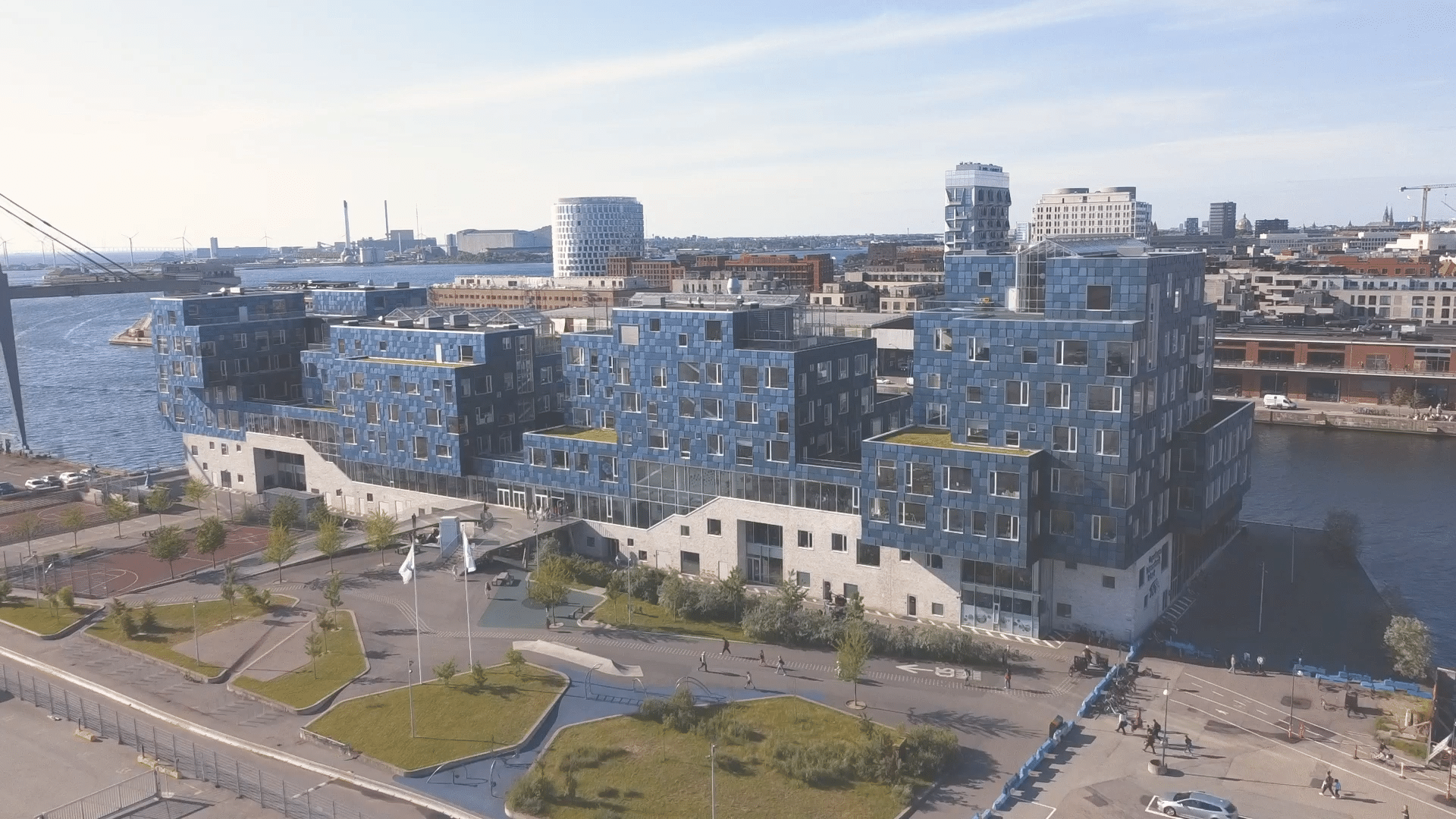
When people think about the IB Diploma Programme, they often think about academic challenges, deadlines, and hard work. While all of those things are certainly part of the experience, recent graduates and alumni from CIS point to something else when reflecting on their time in the programme: the people who helped them through it.
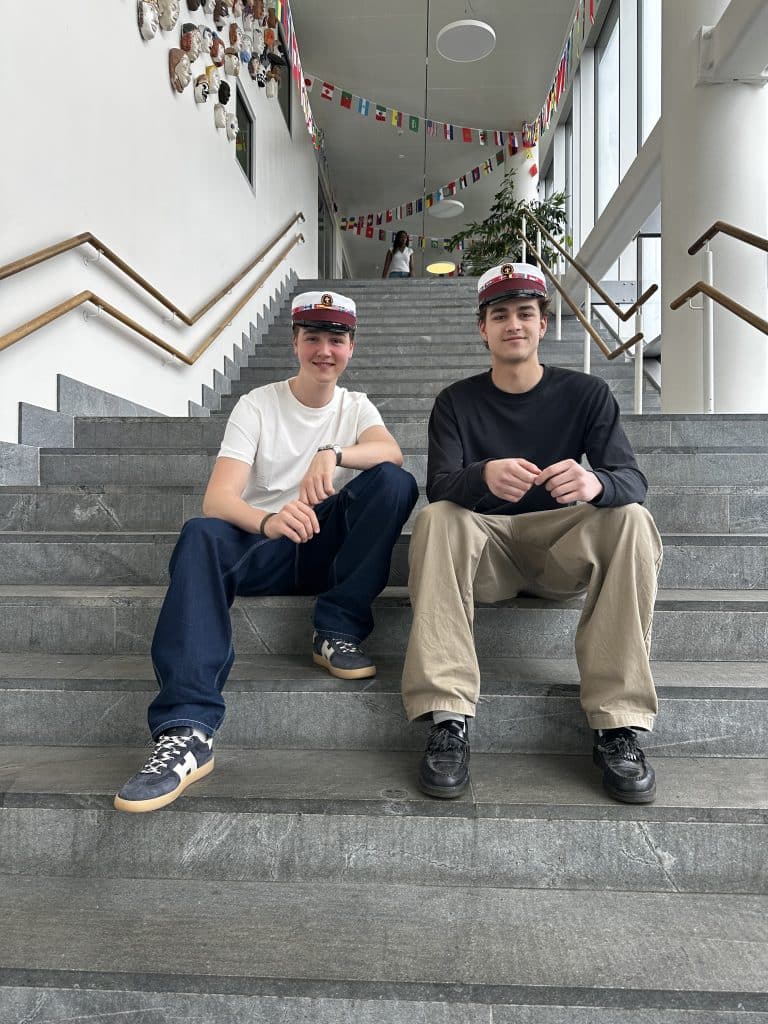
To better understand what makes the Diploma Programme at CIS unique, we spoke with members of the graduating Class of 2026, Marko Montella and Platon Vozniuk.
For Marko Montella, who joined CIS midway through the Diploma Programme, one word comes up repeatedly: welcoming. Despite arriving halfway through his DP journey, he quickly found his place. “The teachers truly care about the students,” he says. “It’s not just academically, it’s about making students feel comfortable and supported.”
For Platon Vozniuk, the experience has been a little different. Having spent all twelve years of his school life at CIS, he describes the school as a second home. Looking back, he remembers the friendships, school trips, and shared experiences that shaped him, as well as the value of integrity that he says will stay with him long after graduation.
The teachers truly care about the students. It’s not just academically, it’s about making students feel comfortable and supported.
Marko Montella
The same themes emerged when speaking with CIS alumni Clara Malling Strømsted and Wilma Modée Arnesson, who graduated in 2019. Looking back with the benefit of hindsight, both still point to the people around them as one of the most valuable parts of their experience. Many of the friendships they built during the Diploma Programme remain some of their closest today.
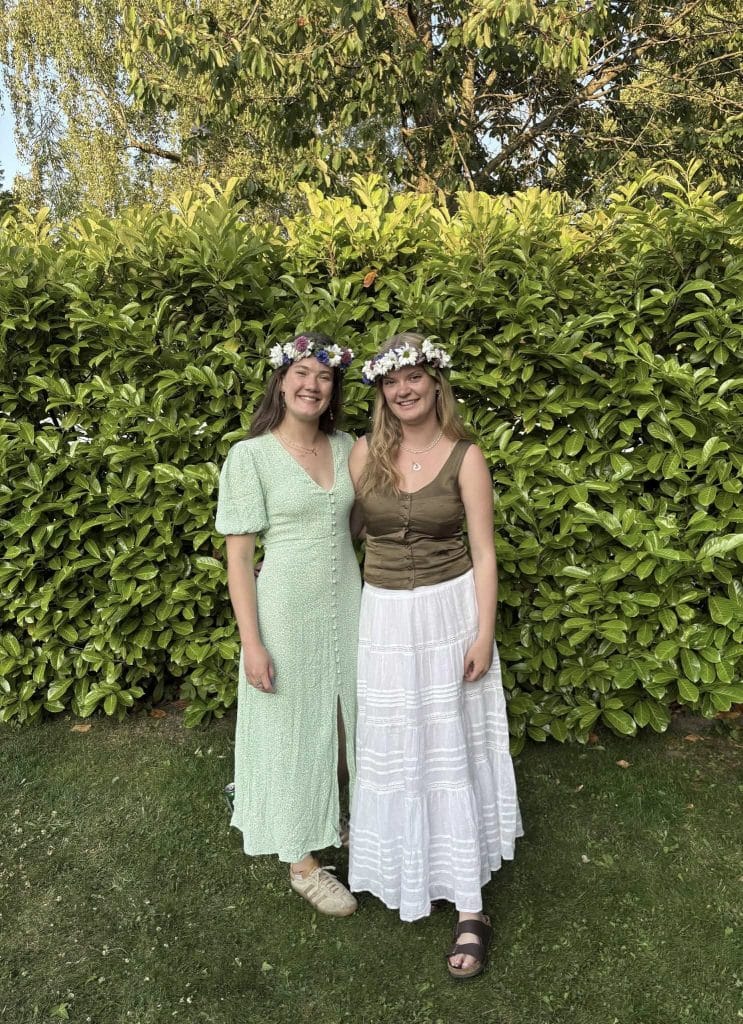
Academically, they also appreciate the balance that the IB offered. Rather than specialising early, the Diploma Programme allowed them to continue studying a broad range of subjects while developing strong academic skills. The ability to manage multiple subjects, deadlines, and responsibilities proved to be excellent preparation for university and beyond.
What stood out most, however, was the quality of teaching. CIS has offered the Diploma Programme since 1969, and that experience shows. The teachers understand the demands of the IB, know how to guide students through its challenges, and genuinely care about their success. As Wilma reflects, “I think what really helped me, and many of us, through the programme were the brilliant teachers who supported us every step of the way, even when times were very stressful.”
What really helped me, and many of us, through the programme were the brilliant teachers who supported us every step of the way, even when times were very stressful.
Wilma Modée Arnesson
The IB Diploma Programme is demanding, but all four graduates agree that at CIS, students are never expected to face those challenges alone. Whether a student joins in Grade 1 like Platon or arrives much later like Marko, they become part of a community that supports them academically, personally, and socially.
Perhaps that is why, despite graduating seven years apart, all four highlighted many of the same experiences and values. When Clara and Wilma were asked what has stayed with them long after graduation, their answers were not only about grades or university preparation. They were about the teachers who believed in them, the friendships they built, and the confidence they gained along the way.
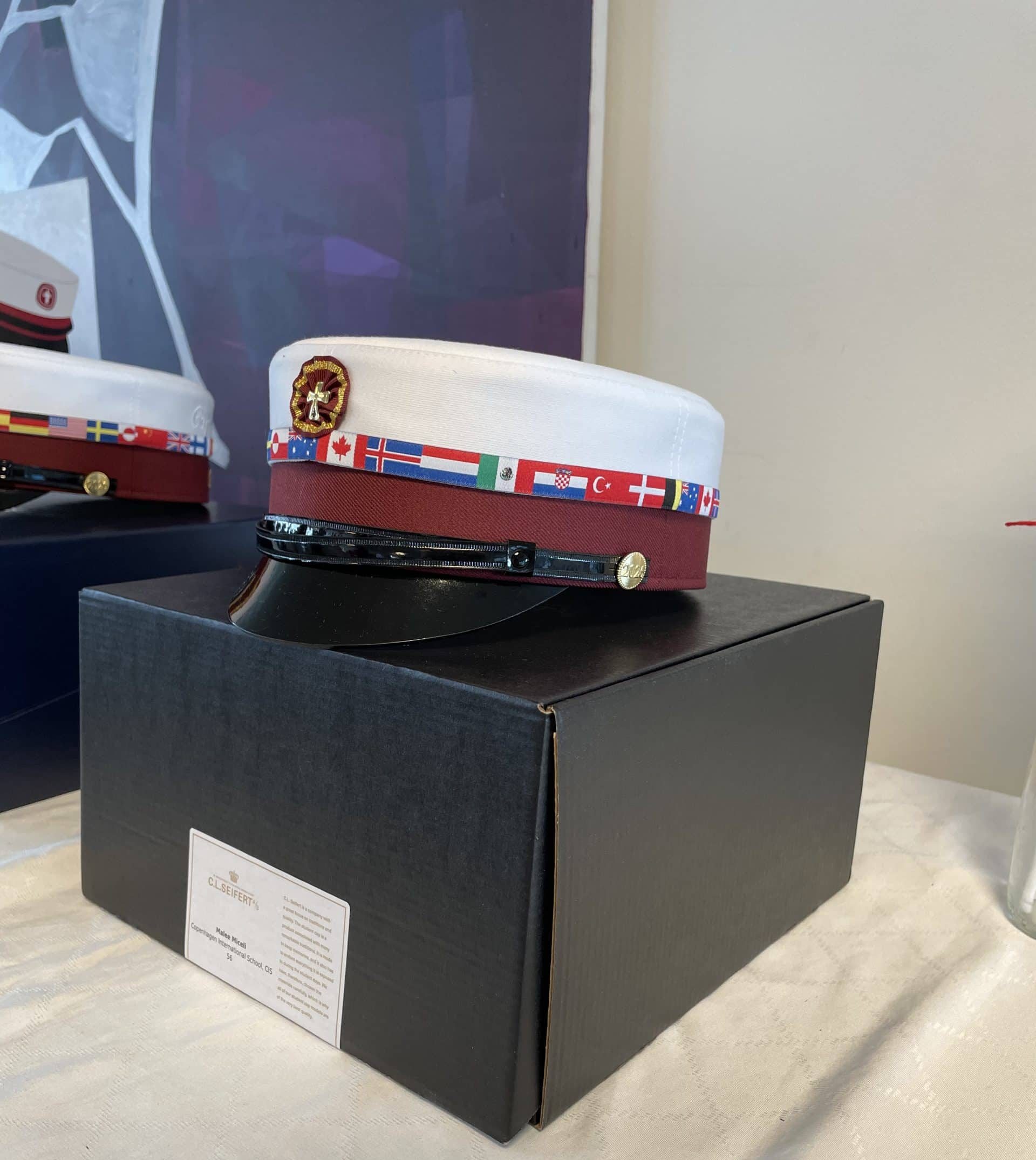
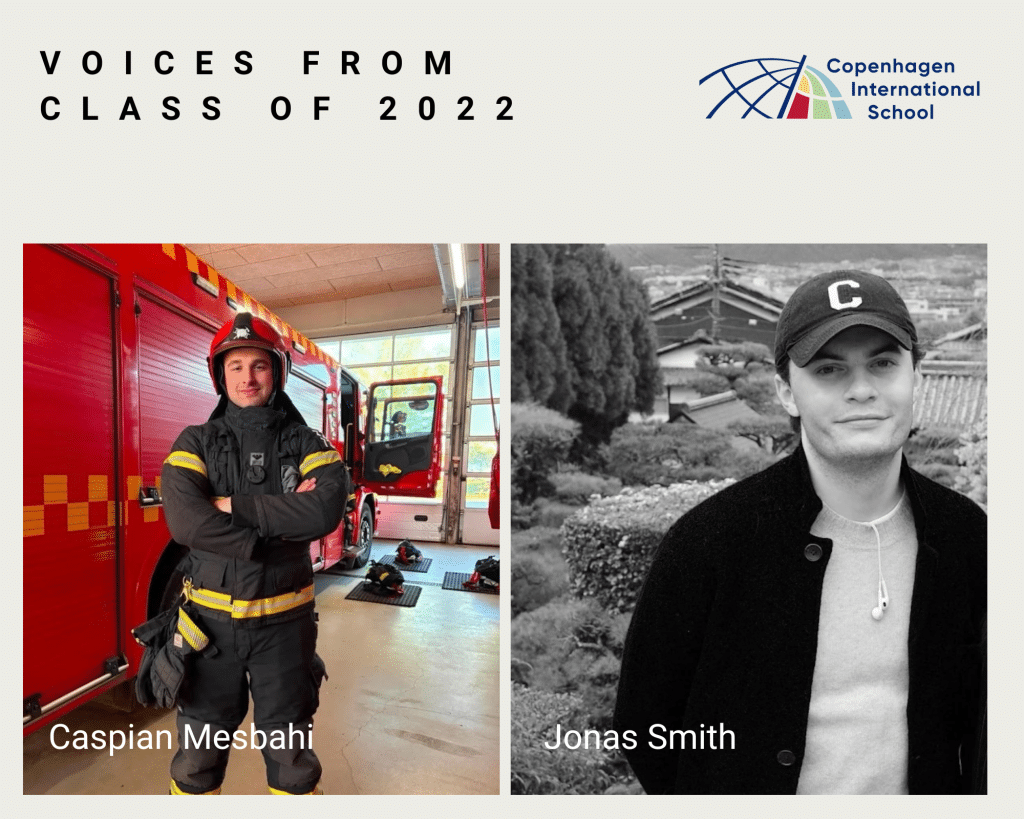
Since graduating from CIS in 2022, former students Jonas Smith and Caspian Mesbahi have taken very different routes, showing just how many directions life after CIS can lead.
Jonas moved to Savannah, Georgia, to study graphic design at the Savannah College of Art and Design. He describes how his passion for the arts was shaped during CIS art classes, where he was challenged to explore new techniques and ways of thinking. What began as a nervous step into university became an exciting journey filled with international internships in Denmark, Switzerland, and London, as well as collaborative projects with companies such as Deloitte, La Mer, and EA. Looking back, he credits the IB programme with building the discipline and work ethic that carried him forward, and encourages current students to slow down and enjoy the moment.
The IB programme, despite its intensity, prepared me exceptionally well. It strengthened my work ethic and instilled habits I still rely on today.
Jonas Smith
FUN FACT:
Caspian and Jonas actually go way back. The two attended preschool together at Sunrise in Hellerup before going their separate ways. Years later, they unexpectedly reunited at CIS, where they eventually graduated together. A small world, and a fun full-circle moment.
At the same time, Caspian’s path took a very different direction. After graduation, he explored several options before joining the Civil Defence and training in firefighting and rescue. Today, he works at Novo Nordisk as a Coordinating Leader for Falck and serves as a Crew Commander at local fire stations. He also founded Valcorv, a software company developing systems for emergency services, built directly from his hands-on experience in the field. Alongside this work, he has studied engineering at DTU. He reflects that leadership, responsibility, and variety have shaped his path, and encourages students to try something challenging to discover what fits.
For those who are unsure about their future after CIS: Pick something new and hard, even if it seems random, like the fire department. Best case, you find something you enjoy, as I did. Alternatively, you find out what you don’t want, which forces you to think about what you would rather do.
Caspian Mesbahi
Together, their stories highlight a shared message: there is no single path after CIS. Whether through creativity, engineering, leadership, or entrepreneurship, graduates go on to shape their own directions in very different ways.


The CIS International Festival once again brought our community together for an unforgettable celebration of culture, connection and global spirit. Families enjoyed an incredible range of country booths filled with delicious homemade delicacies prepared by parents, alongside vibrant cultural performances that showcased the diversity and talent within our community. From music and dance to hands-on creative activities for all ages, there was something for everyone to enjoy throughout the day.
A highlight of the festival was the hugely popular country basket lottery, which added excitement and generosity to the celebration. We are proud that all proceeds from this year’s event will support Team Peru’s social impact initiatives, helping extend the spirit of community beyond our campus. A huge thank you to our PTA for organising another outstanding event and to every parent, student, staff member and volunteer who helped make the day such a success for the entire CIS community.
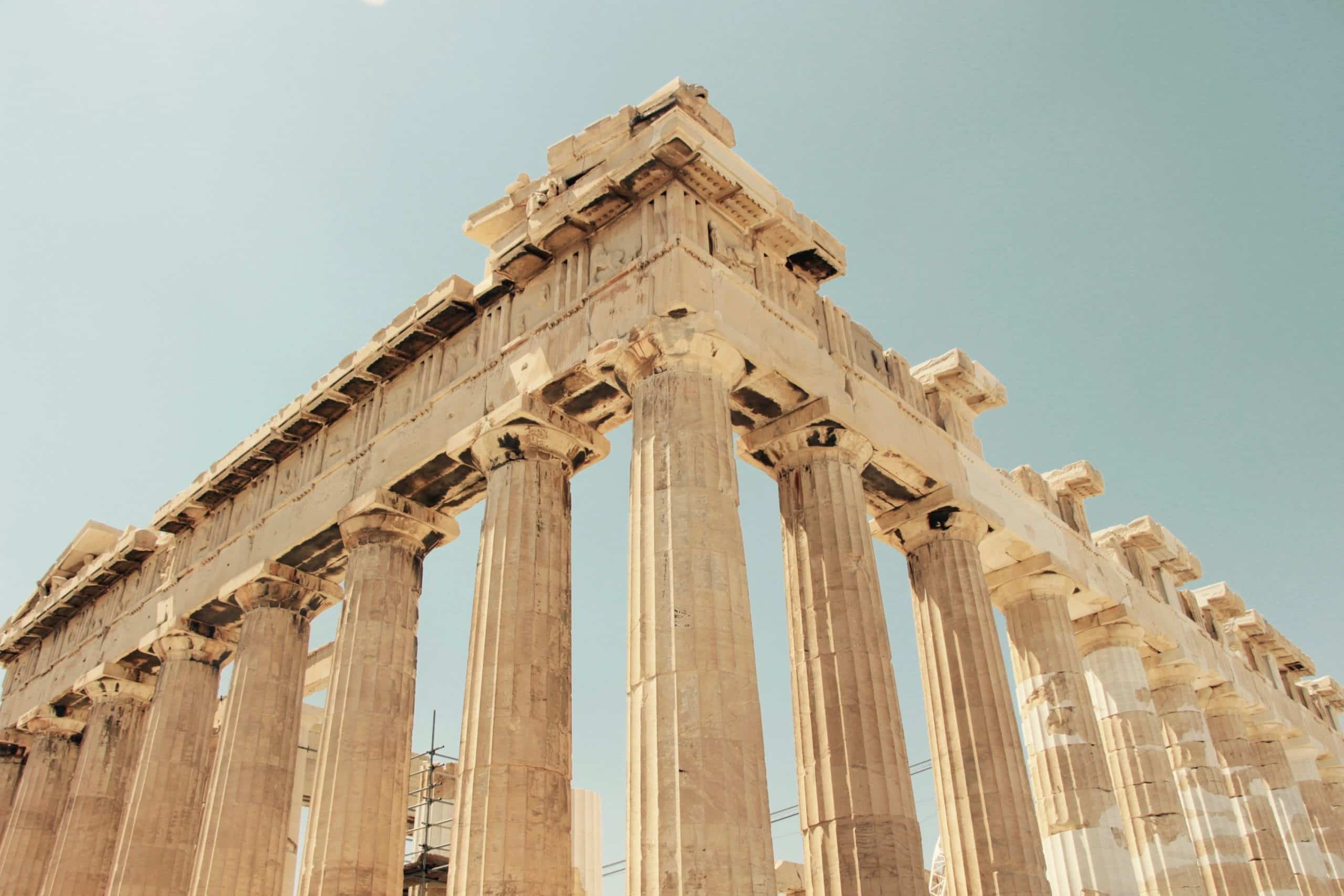
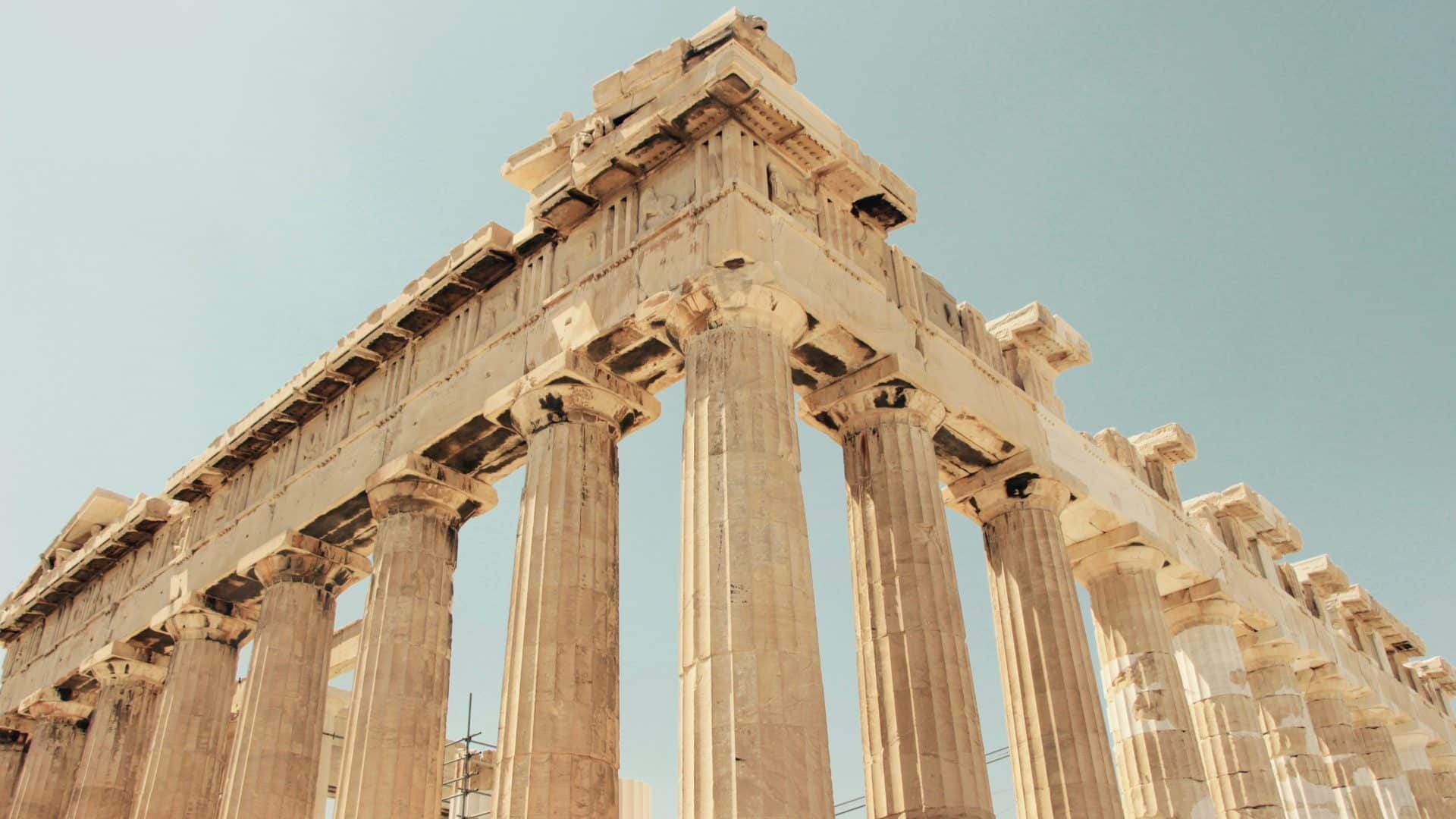
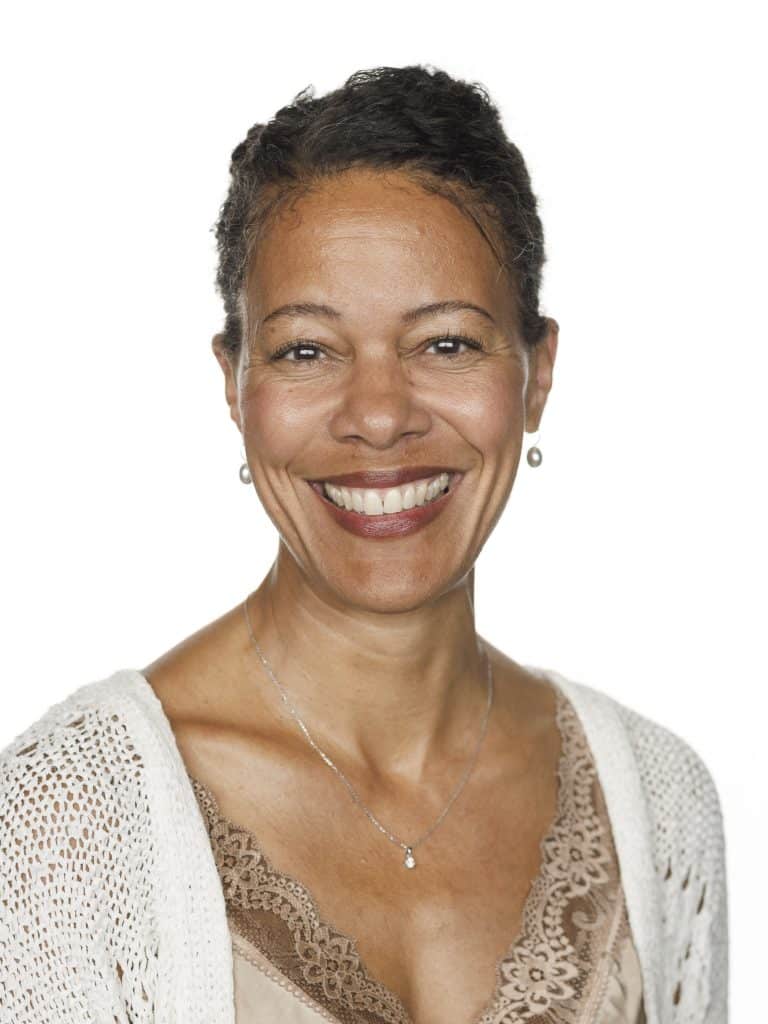
In this Q&A, Diploma Programme History Teacher Olella Nyiendo shares why history remains deeply relevant in an age shaped by global conflict, rapid technological change, and the growing challenge of distinguishing truth from misinformation.
In one way it is not “different” at all! – at CIS we do history according to the best methodologies in the discipline. In another key way, though, we are “different”. CIS is an IB-school, and among our six core institutional values are inclusion and integrity. So, our students learn international, multicultural history. This is faithful to the reality that human history has always been one of keen global economic and cultural exchange. This also promotes the knowledge-context, social intelligence and international mindset needed to meet the opportunities and challenges of today. We delve into content from diverse times and places, using concepts of cause/consequence, change/continuity, and similarity/difference, to produce a deep and coherent understanding of modern history. This makes students sharp critical thinkers, as well as creative and responsible world citizens.
Students desire to know “why” things happen. Sure, history reports on change: volcanoes and conquerors annihilate civilisations; individuals invent ideas and tools that had not existed before, or put to use existing ones in new ways. But history also reveals numerous continuities in human experience. By tracing causes, consequences, and patterns, the historical record shows not only what has happened, but how we have understood our own experience over time.
Moreover, history depends on sources, and on judging their value and limits. That skill is crucial today, when misinformation, and disinformation make determining truth harder than ever.
One historical event that connects to today is what Thucydides reported happened when the warring Athenian empire demanded the capitulation and absorption of the neutral island of Melos in 416 BCE. When the Melians resisted, the Athenians declared: “The strong do what they can and the weak suffer what they must,” before proceeding to murder the men of Melos, enslave the women and children, and colonise the emptied island.
The lesson in Thucydides is that, when applied without wisdom, power destroys others and also itself. This implosion happened to ancient Athens in 404 BCE at the end of its decades-long war, and in numerous other examples in history. This lesson can help us know how to handle power wisely as we consider the serious interstate conflicts of today.
History is essential for any work in culture, public policy, the law, politics and diplomacy, journalism, and academia in the human sciences. And it is essential for work in the Arts as well – how could Shakespeare have written Macbeth otherwise? How could Toni Morrison have written Beloved, or the musical Hamilton have been produced? How could Bob Dylan have written Blowin’ in the Wind, if he had not tapped into deeply resonant knowledge about humanity that history provides?
In science too history is important. Progress in science rests on knowledge of the work of predecessors. History also makes us wise about the intersection between science and ethics. From the exploitive use of Henrietta Lacks’ tissue without her knowledge or consent, to enactment of better safety protocols and backup systems at nuclear power plants after Chernobyl and Fukushima, we use historical knowledge to ethically guide our ongoing inquiry and action in diverse scientific endeavors.
I would say that sociopolitical issues tend to revisit us repeatedly. Thucydides’ question about wise use of power is one perennial issue. So too are the questions of security versus freedom, balancing private interest with public good, and many more. History shows we don’t really “solve” these thorny issues so much as manage them differently over time. Sometimes we do well; other times poorly. So, in my view, as long as there are humans who want to act responsibly in the world, history is relevant as it helps us learn from both the mistakes and the genius of those who came before us.
History shows we don’t really ‘solve’ thorny issues so much as manage them differently in different eras. Sometimes we do well; other times poorly.
Olella Nyiendo

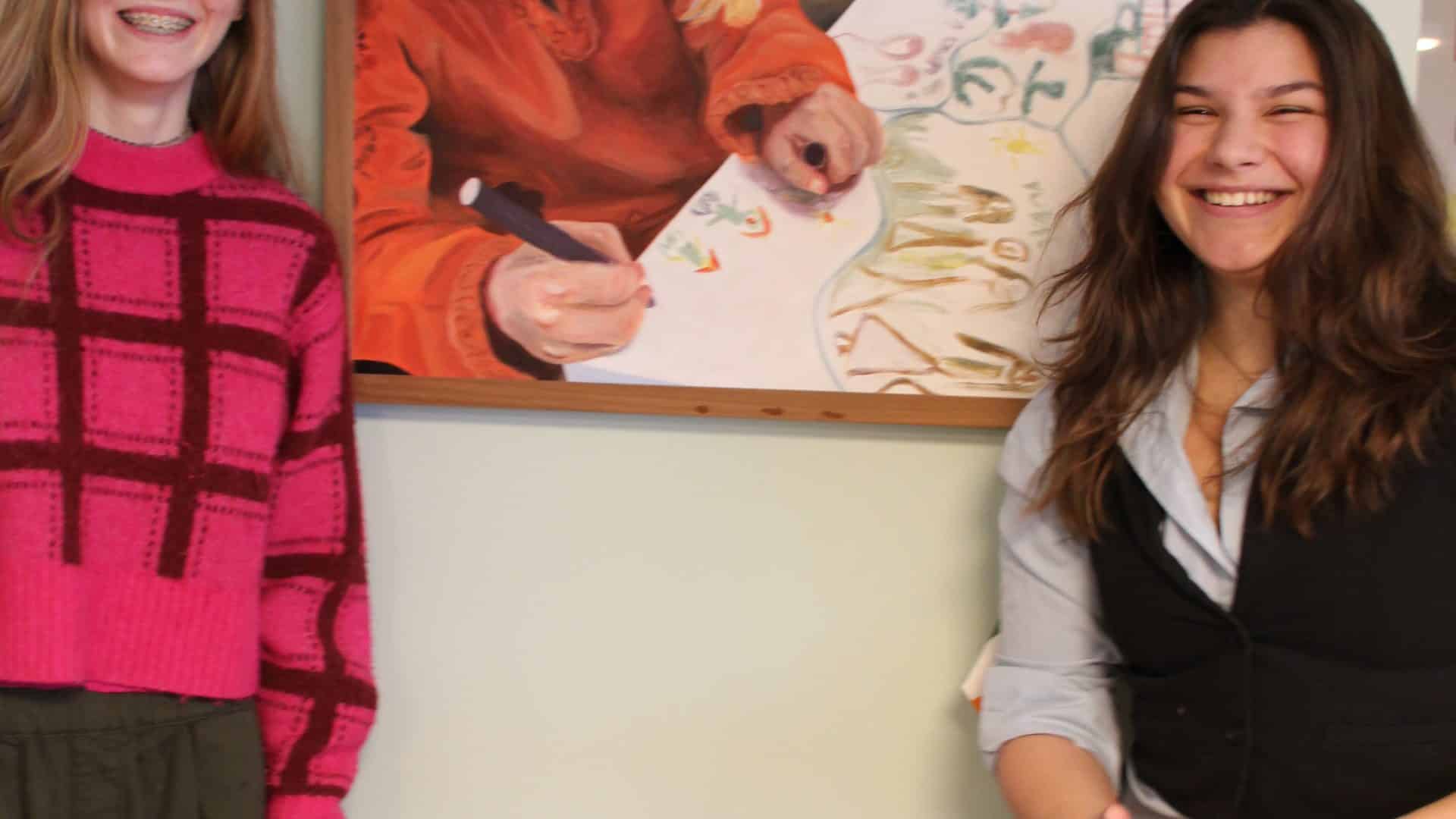
Alexandra Hundal Christiansen (Class of 2020) and Millie McNulty (Class of 2026) come together to discuss their shared passion for architecture and the uncertainty of the world they are living in. Alexandra, currently completing her master’s degree at (IE University (Instituto de Empresa), offers Millie insight into the realities of student life today. She speaks candidly about her hopes for her twenties, which often revolve around simple survival amid rising inflation, increasing rent, and food costs. Alexandra reflects on the ongoing challenge of pursuing her dream of becoming an architect while relying on having a number of part-time positions in the service industry to make ends meet.
Together, they also discuss the importance of building connections within the architectural profession, acknowledging that success in the field still often comes down to “not what you know, but who you know.”
They reflect on how networking, mentorship, and informal relationships can open doors to opportunities that are not always accessible through talent or academic achievement alone. Both recognise that while skill and dedication are essential, navigating the industry often requires guidance, visibility, and the support of established professionals.
| Cookie | Duration | Description |
|---|---|---|
| cookielawinfo-checkbox-analytics | 11 months | This cookie is set by GDPR Cookie Consent plugin. The cookie is used to store the user consent for the cookies in the category "Analytics". |
| cookielawinfo-checkbox-functional | 11 months | The cookie is set by GDPR cookie consent to record the user consent for the cookies in the category "Functional". |
| cookielawinfo-checkbox-necessary | 11 months | This cookie is set by GDPR Cookie Consent plugin. The cookies is used to store the user consent for the cookies in the category "Necessary". |
| cookielawinfo-checkbox-others | 11 months | This cookie is set by GDPR Cookie Consent plugin. The cookie is used to store the user consent for the cookies in the category "Other. |
| cookielawinfo-checkbox-performance | 11 months | This cookie is set by GDPR Cookie Consent plugin. The cookie is used to store the user consent for the cookies in the category "Performance". |
| viewed_cookie_policy | 11 months | The cookie is set by the GDPR Cookie Consent plugin and is used to store whether or not user has consented to the use of cookies. It does not store any personal data. |